

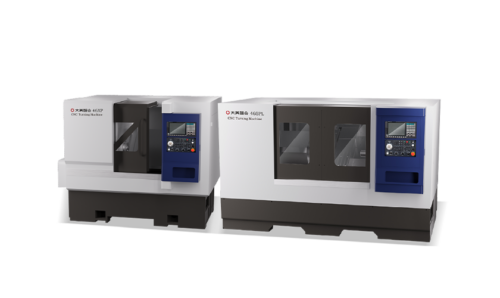
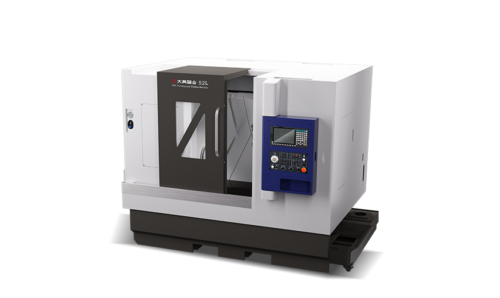
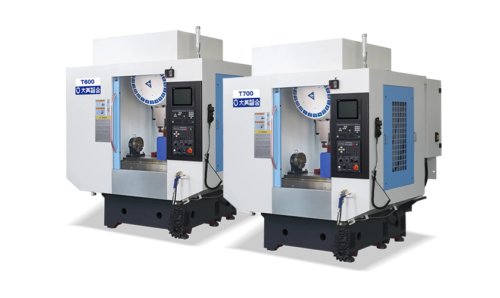
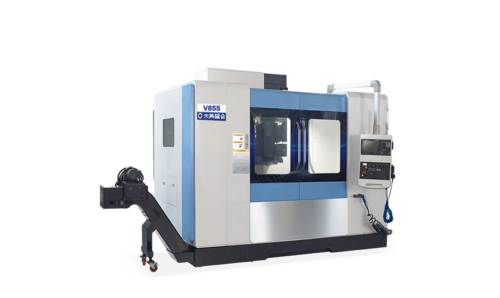
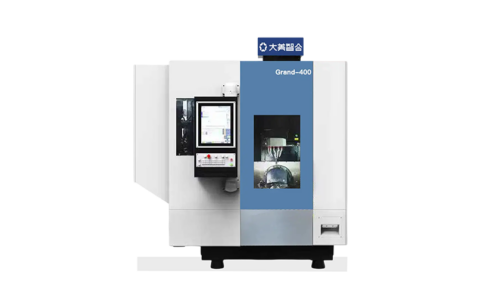





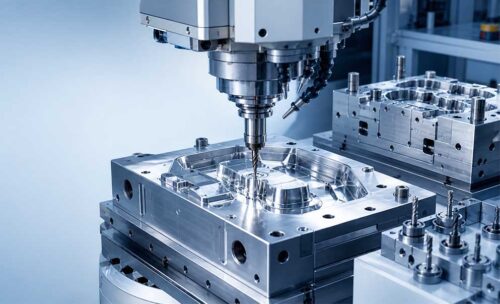





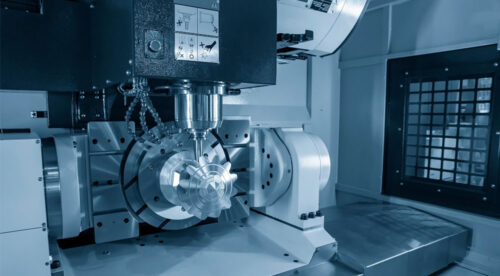
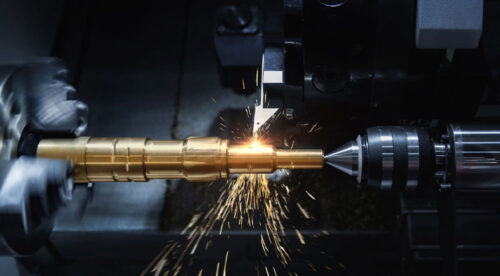
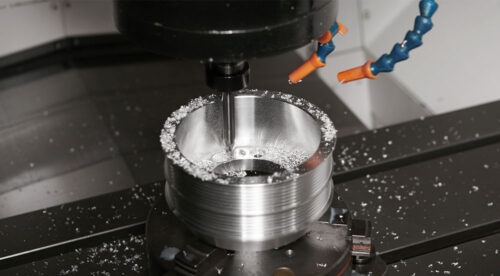

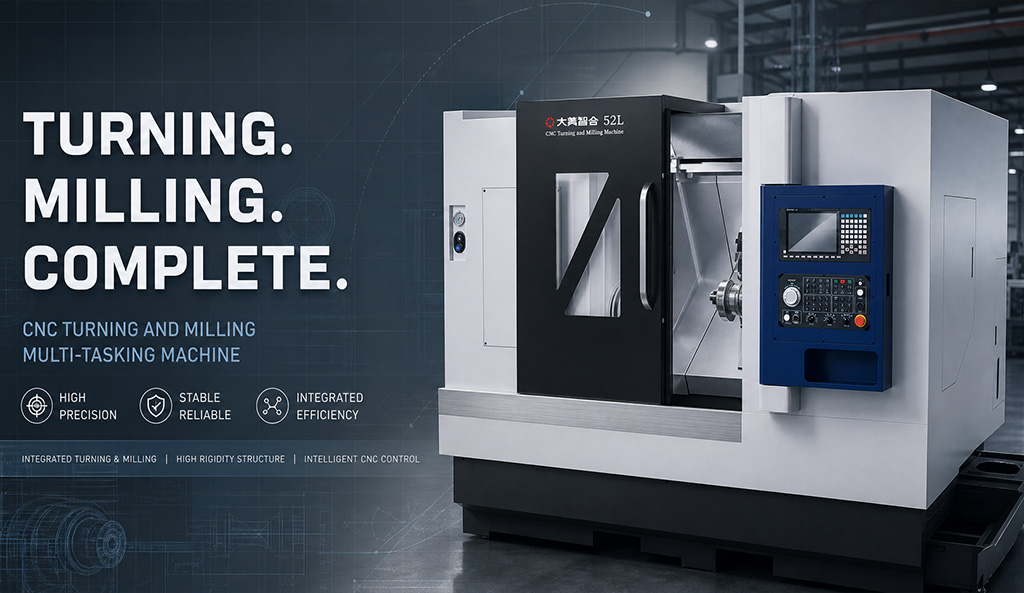
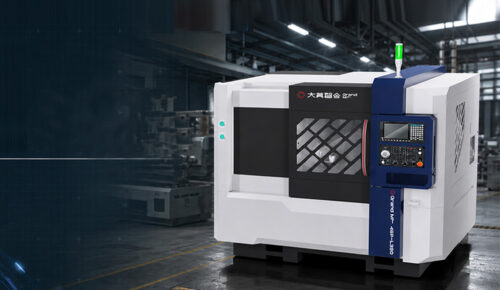
As modern manufacturing evolves toward greater efficiency, precision, and flexibility, CNC Turn-Mill Composite Machine Tool are becoming core equipment for more enterprises, thanks to their unique ability to integrate multiple processes in a single setup. By combining functions such as turning, milling, drilling, and tapping, these machines enable the completion of all or most processing steps for a part on a single unit—tasks that previously required routing the workpiece across multiple machines.
However, the market offers a vast array of turn-mill composite machine models, ranging from domestic mid-range units to high-end imported equipment. An improper choice can not only lead to wasted, idle machinery but also compromise production efficiency and product quality. So, how can you select a turn-mill machine that truly meets your production needs? This article outlines five key dimensions to provide you with a practical guide for making the right choice.
The first step in selecting a model is not looking at the specifications, but asking yourself: what exactly do we need to process?
First, focus on the characteristics of the workpiece: What are the maximum diameter and length of the part? Is the material aluminum alloy, stainless steel, or titanium alloy? Compact machine models process small precision parts with diameters under 50 mm, whereas large-scale models machine large shaft or disc components exceeding 300 mm in diameter. When machining difficult‑to‑cut materials such as titanium alloys, prioritize models featuring high‑power spindles and highly rigid machine beds.
Next, the precision grade must be matched: mold machining may require positioning accuracy at the ±0.002 mm level, whereas general mechanical machining allows for a looser tolerance of ±0.008 mm. The higher the precision requirements, the stricter the demands on key machine tool parameters such as positioning accuracy, repeatability, and spindle runout.
Production batch size is equally critical: for high‑volume production, select a dual‑spindle model equipped with automatic loading and unloading, whereas for small‑batch, high‑mix production, prioritize flexible configurations based on modular design. Simply piling up specifications without regard for actual needs leads only to the awkward situation of being able to afford the machine but not being able to utilize it effectively.
Performance indicators directly determine machining quality and efficiency. The following aspects require particular evaluation:
A one-piece cast bed combined with box ways is suitable for heavy-duty cutting, whereas a linear guideway structure focuses on high-speed, precision machining. A monolithic cast slant bed is standard on high-end models; typically made of high-strength cast iron, it undergoes an aging process to eliminate internal stresses. High rigidity directly determines the equipment's heavy-duty cutting capability and long-term machining accuracy.
High-speed direct-drive spindles are suitable for high-speed machining, whereas high-torque gear-driven spindles are required for heavy-duty cutting. Spindle power and torque directly determine the equipment's cutting capability.
Systems from well-known brands offer robust stability, while multi-axis machines can easily handle the machining of complex curved surfaces.
When evaluating the quality of a turn-mill machine tool, one shouldn't focus solely on the dazzling specifications found in brochures. In the actual workshop environment, there are three "hard metrics" that truly deserve attention:
In addition, attention should be paid to key parameters such as positioning accuracy and repeatability. For mass production, repeatability is often more critical than positioning accuracy, as it determines the consistency of the manufactured products.
Equipment procurement is far from a "buy-and-forget" affair; it requires a careful assessment of total lifecycle costs.
Initial investment decisions must strike a balance between brand premium and cost-effectiveness. Operational costs lie in the details: the level of automation directly links spindle energy consumption and tooling wear, while automatic tool‑changing systems can significantly reduce downtime.After-sales service is even more critical—top-tier suppliers offer rapid response times and customized support. Neglecting long-term maintenance costs can turn low-priced equipment into a production bottleneck.
Select an appropriate automation configuration based on the factory's level of automation and labor cost planning. For enterprises that have already established smart manufacturing production lines, equipment supporting Industrial Ethernet and capable of interfacing with MES systems should be chosen. Some advanced models also integrate intelligent features such as in-process measurement, tool wear compensation, and thermal deformation compensation. For standalone operations, a basic automation configuration is sufficient to meet requirements.
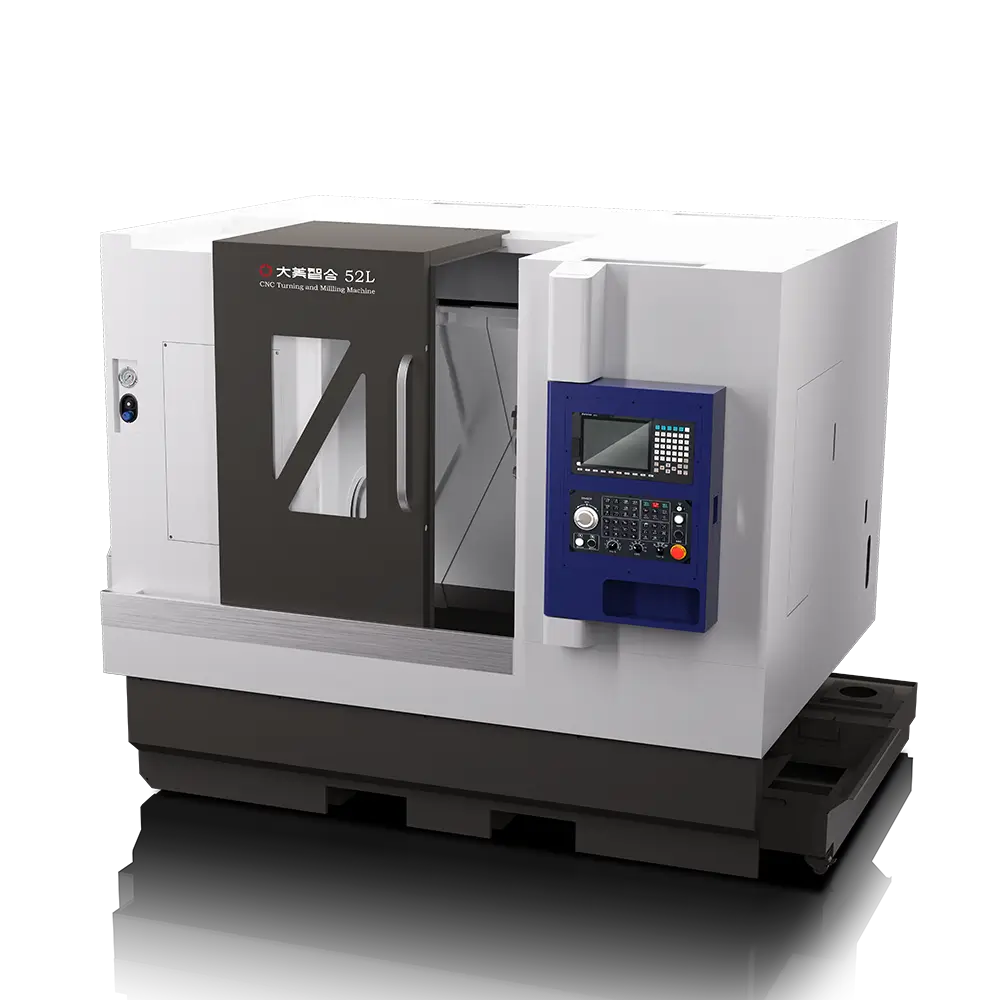
Having understood the key factors for selecting the right machine, you might ask: with so many brands of turn-mill centers on the market, why choose Grand CNC?
Grand CNC boasts a seasoned technical team capable of selecting the ideal machine tools—based on customer technical drawings—to meet specific production requirements and developing optimized machining process solutions. We do more than just sell equipment; we provide comprehensive solutions that cover everything from process planning to actual production.
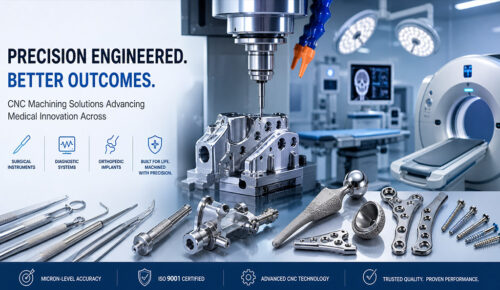
Our turn-mill machining services cover a wide range of raw materials, including steel, stainless steel, brass, copper, aluminum, and various plastics. Whether you are manufacturing mechanical components such as bearings and gears, or parts for medical devices and aerospace applications, Grand CNC delivers reliable machining solutions.
From first-article inspection to mass production, we utilize a comprehensive array of inspection equipment—including optical measuring instruments, digital calipers, digital micrometers, and surface roughness testers—to ensure that the dimensions and quality of every batch meet specifications. Throughout the production process, operators perform dimensional checks at prescribed intervals to ensure quality control across the entire workflow.
Grand CNC provides end-to-end service, covering everything from initial quotes and production planning to raw material procurement and final delivery. We offer flexible solutions to meet your specific needs, whether for surface treatments—such as chrome plating, galvanizing, or anodizing—or for specialized packaging and delivery requirements.
The key to equipment selection lies in defining performance baselines based on machining requirements, filtering the range of options using performance metrics, and making the final decision based on the total lifecycle cost. Only in this way can a turn-mill multitasking machine truly become a powerful tool for boosting efficiency rather than a burdensome asset.
If you are struggling to select the right turn-mill machine, please contact Grand CNC. We will provide professional selection advice and customized solutions tailored to your specific machining requirements—ensuring the ideal equipment becomes the most reliable partner on your production line.
 Industry
 Products
 Products
 Products
 Products
 Industry

English

French

Portuguese

Spanish