

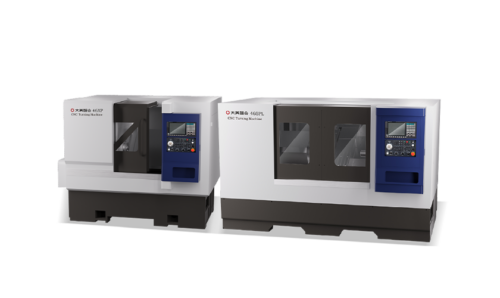
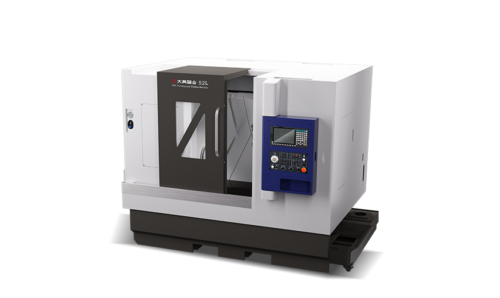
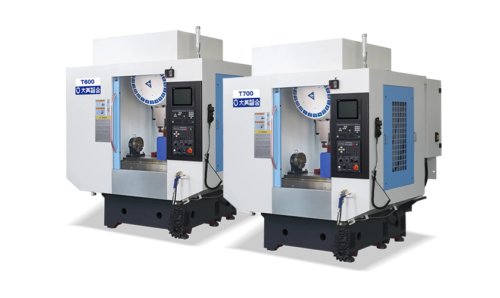
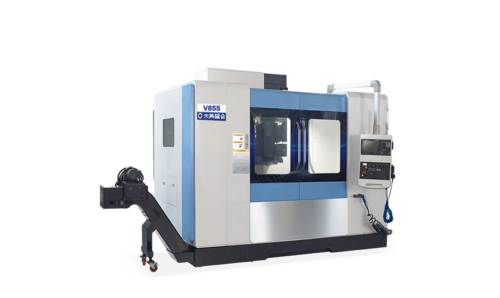
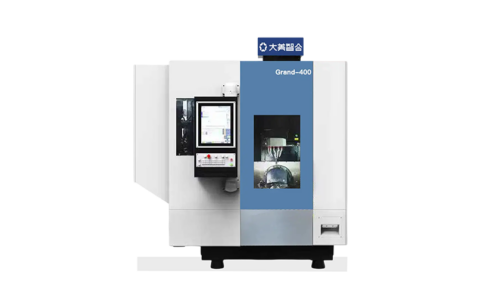





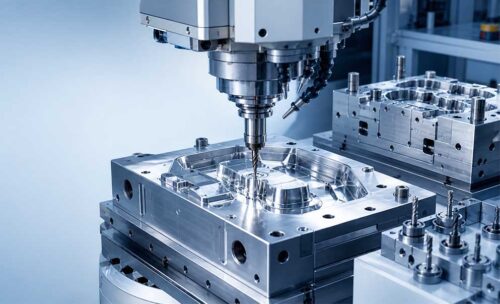


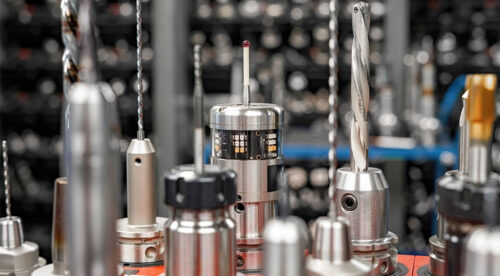


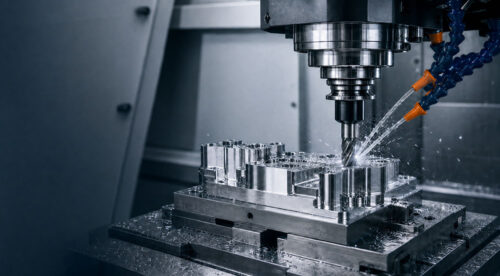
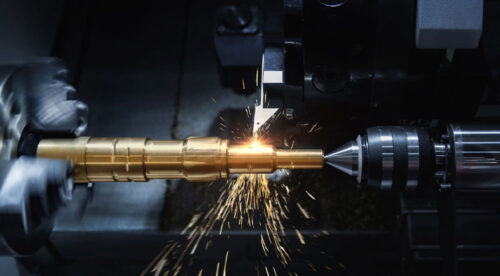
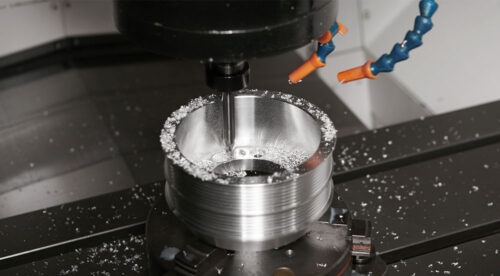

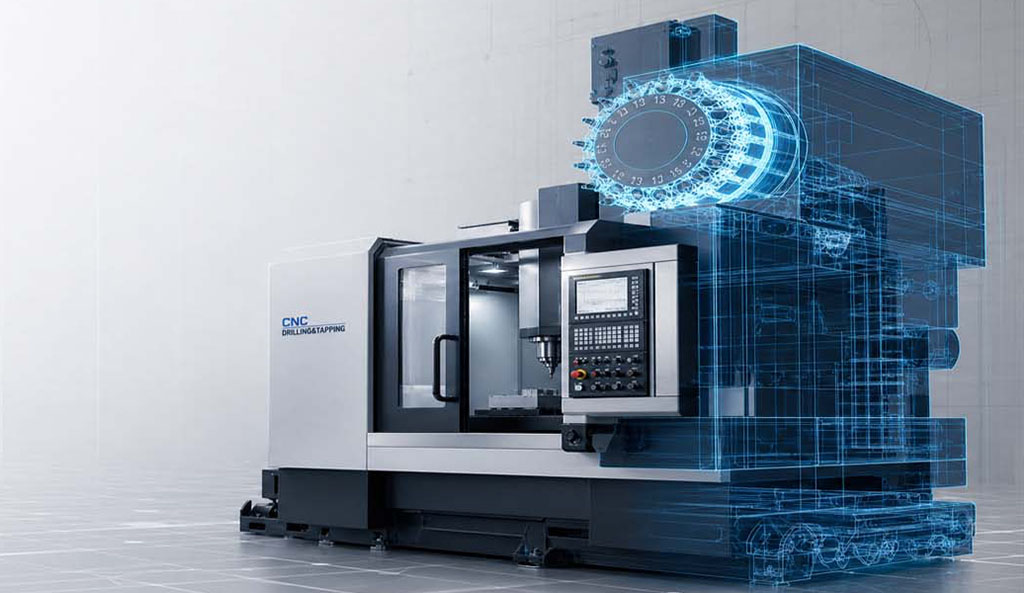
In precision manufacturing, the efficiency of drilling and tapping directly determines overall output. Grand CNC focuses on CNC drilling and tapping center, specifically designed for customers who pursue high speed, high precision, and high return on investment. Whether you process miniature electronic connectors or large aluminum structural parts, our equipment delivers robust power and flexible adaptability to confidently handle diverse machining challenges.
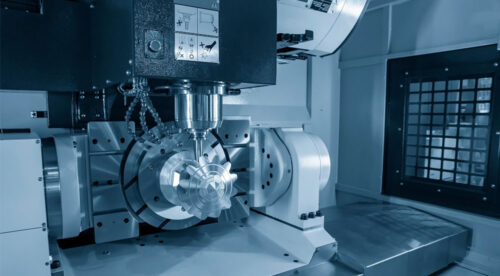
Grand CNC drilling and tapping centers combine drilling, tapping, and milling in one setup. They excel on dense-hole M2–M10 parts – valve bodies, manifolds, MIM parts, brackets, plates, connectors. For shops already using VMCs, these machines offload all drilling and tapping operations, freeing VMCs for complex contour milling. This increases overall shop capacity without requiring an additional full‑function machining center.
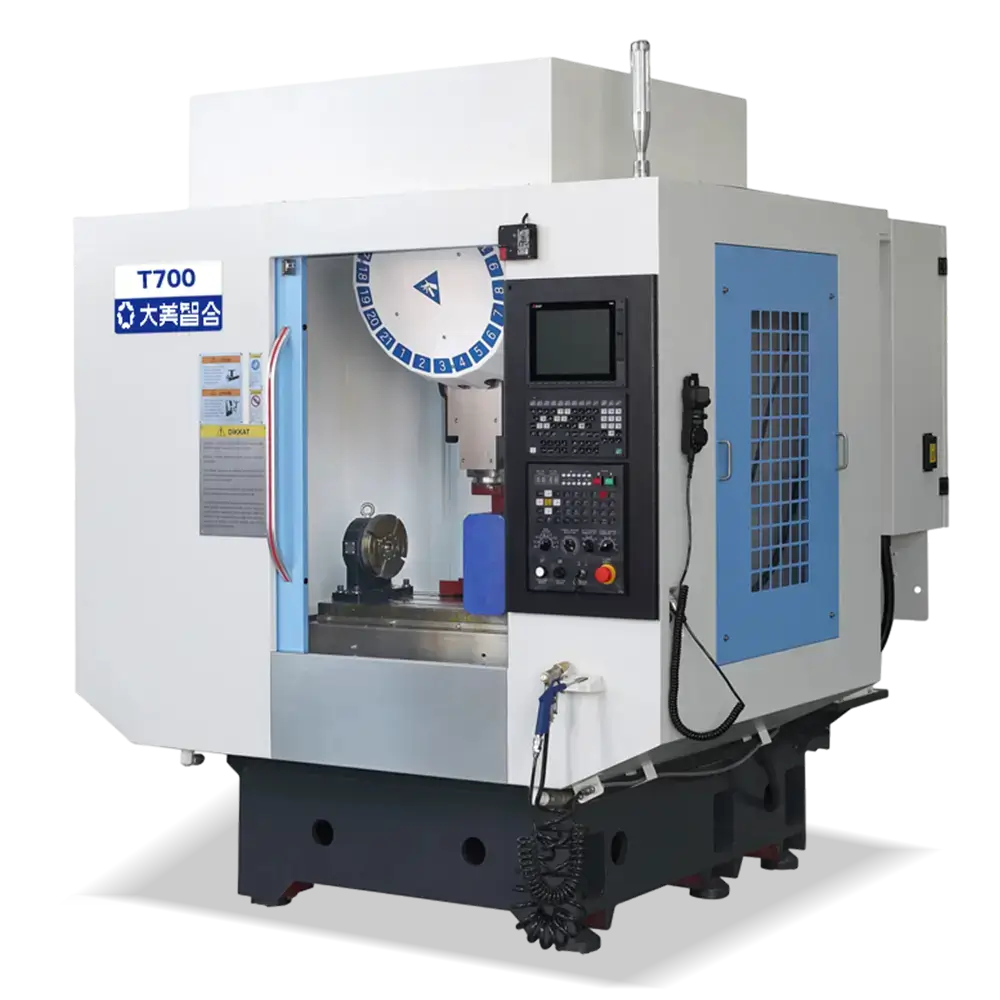
Grand CNC T700 is engineered for high‑speed, high‑precision machining of small parts in large volumes:
We understand that every factory has unique process requirements. Therefore, we offer customizable options: tool capacity, spindle speed, table size, and automation. Our technical team supports you every step – selection, installation, training – for smooth integration and quick gains.
| Industry | Typical Parts |
| Automotive | Transmission valve bodies, hydraulic control modules |
| Aerospace | Aluminum structural brackets, ground support equipment |
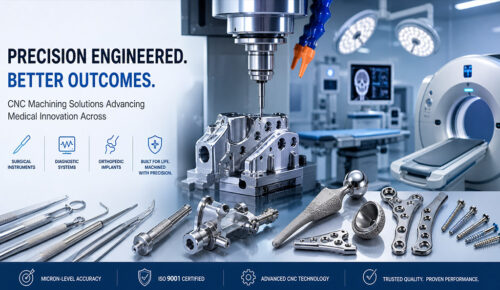
| Medical Devices | Precision surgical instrument plates, implant fixation bases |
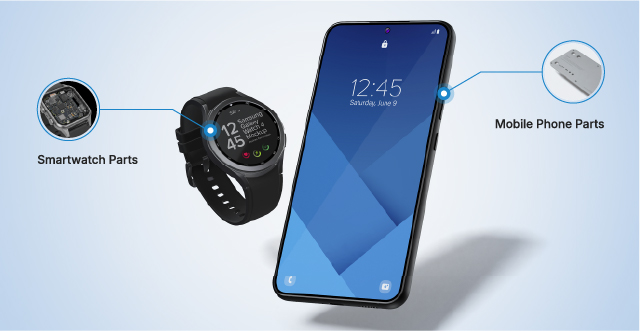
| Electronics & Electrical | Connector housings, heat sink substrates |
| MIM (Metal Injection Molding) | Post‑sintering finishing (deburring, tapping) |
Seiki-class vertical milling/drilling/tapping centers: compact, rigid, and affordable – the top choice for high-volume precision. Their fine milling capability is especially suitable for final finishing of MIM parts, ensuring dimensional consistency and surface smoothness. We design these machines to streamline workflows – from raw material to finished part, all in one seamless process.
Choose Grand CNC, and you gain:
Contact the Grand CNC team now to let us tailor a solution that takes your drilling and tapping operations to the next level. Explore our full machine lineup and start your journey toward lean manufacturing.
The following is a compilation of typical questions and answers based on industry experience.
Choose a drilling and tapping center if: your products are made of light metals (such as aluminum alloys), the work primarily involves high-volume drilling and tapping, you prioritize maximum efficiency, and you have a limited budget and factory floor space. Examples include the production of 3C electronics and small precision hardware.
Choose a vertical machining center if: you need to machine hard materials like steel or cast iron, the parts have complex shapes and require multiple processing steps, and you demand high heavy-duty cutting capabilities and process flexibility. Examples include mold making and the machining of automotive engine components.
In short: if your tasks involve multiple holes, light cutting, and high-volume production, the drilling and tapping center is the efficiency champion; if your tasks involve complexity, heavy cutting, and diverse requirements, the vertical machining center is the more reliable choice.
Rigid tapping—also known as synchronous feed tapping—is a prevalent tapping method used on CNC machine tools.
Its core principle involves using the CNC system to precisely synchronize the spindle's rotation with the Z-axis feed motion. Simply put, for every full rotation of the spindle, the Z-axis moves downward by exactly one thread pitch.
However, achieving maximum tap life depends on equipping this precision system with a suitable compensating tool holder. Such a holder provides micron-level compensation to resolve the inevitable minor discrepancies between theoretical precision and the physical reality of machining, thereby ensuring thread quality while offering maximum protection for your tap.
Consider the following points when making your selection:
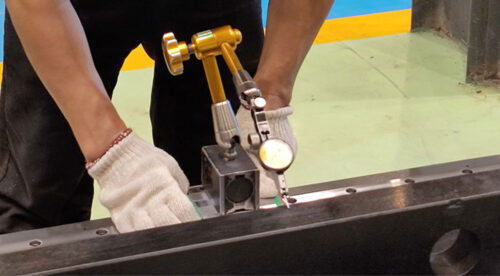
A decline in machining accuracy is a common issue; possible causes include:
 Industry
 Products
 Products
 Products
 Products
 Industry

English

French

Portuguese

Spanish