

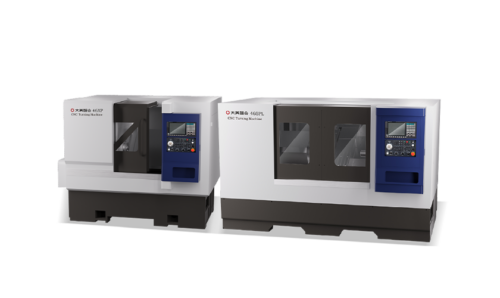
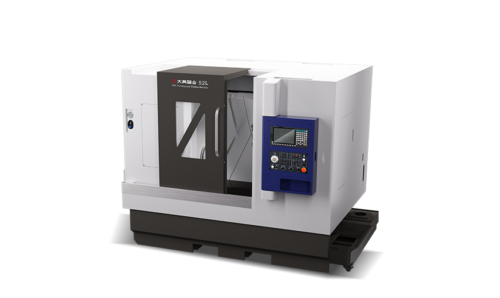
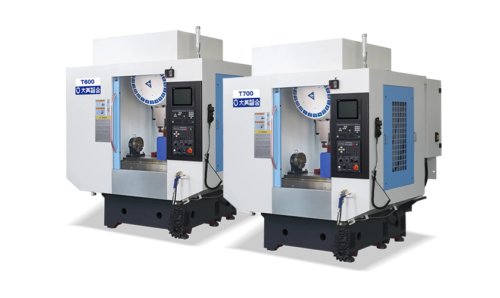
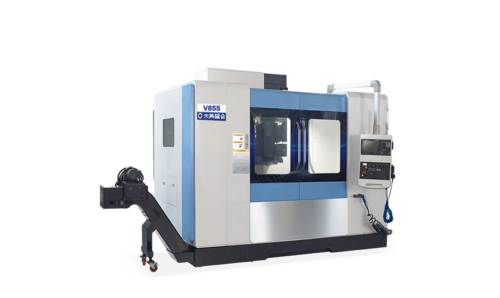
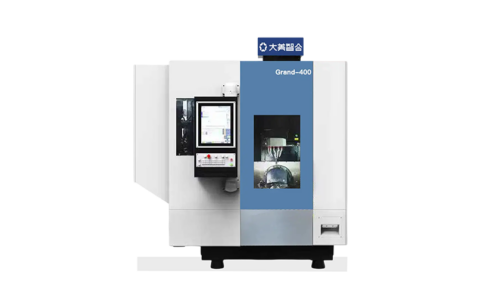



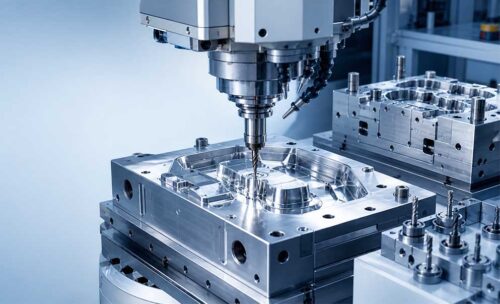








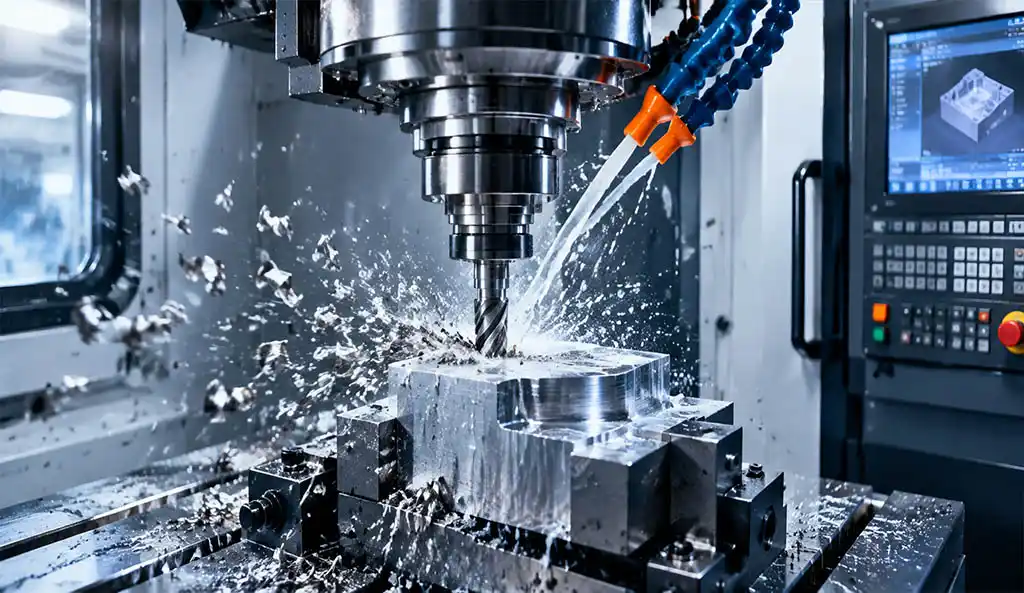
A machining center is a versatile machine tool that manufactures a wide range of parts. Equipped with an automatic tool changer (ATC), it automates multiple cutting operations such as milling, drilling, and boring in one setup. For that reason, it plays an indispensable role in modern workshops. In this article, we explain the features, structure, types, and benefits of machining centers. We also share practical advice for factories considering their first investment. Read on to choose your equipment with confidence.
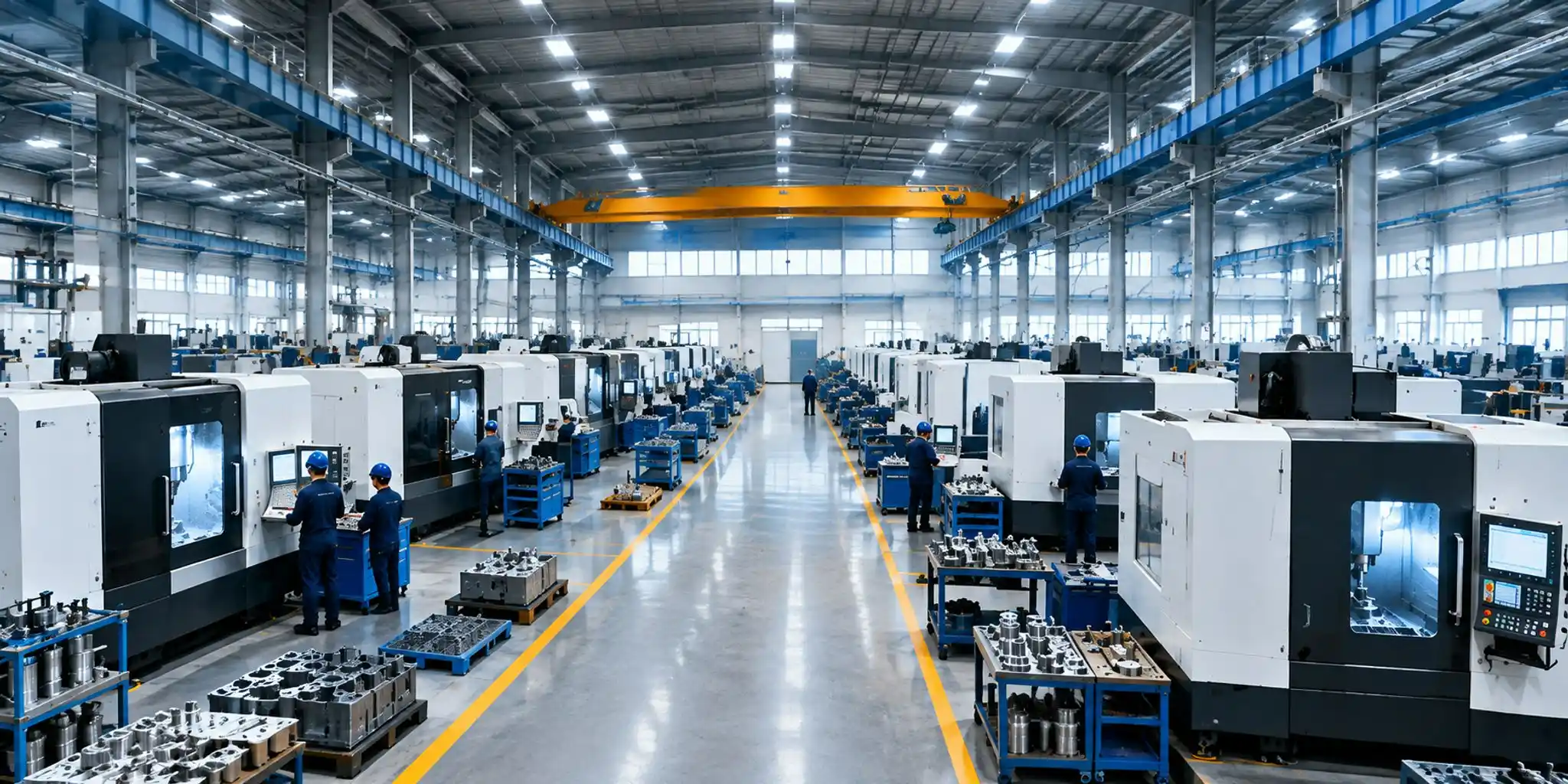
One machine, many cutting jobs. A machining center performs multiple cutting operations, including drilling and milling, on the same machine. It also carries an NC unit for numerical control and an ATC for automatic tool changes. In simple terms, you can compare it to a milling machine that you operate through a computer instead of a hand wheel. Because of this design, GrandCNC machining centers deliver flexible, high-efficiency production across diverse part families.
A brief history, starting in 1958. The world's first machining center appeared in the United States in 1958. That milestone transformed a manufacturing world that had relied mainly on manual milling machines. Japanese manufacturers then developed their own models from around the 1970s, and the industry grew quickly alongside motorization. Today, China leads global machine-tool production, and other nations follow closely behind. We at GrandCNC keep absorbing proven global technology to strengthen our own product line.
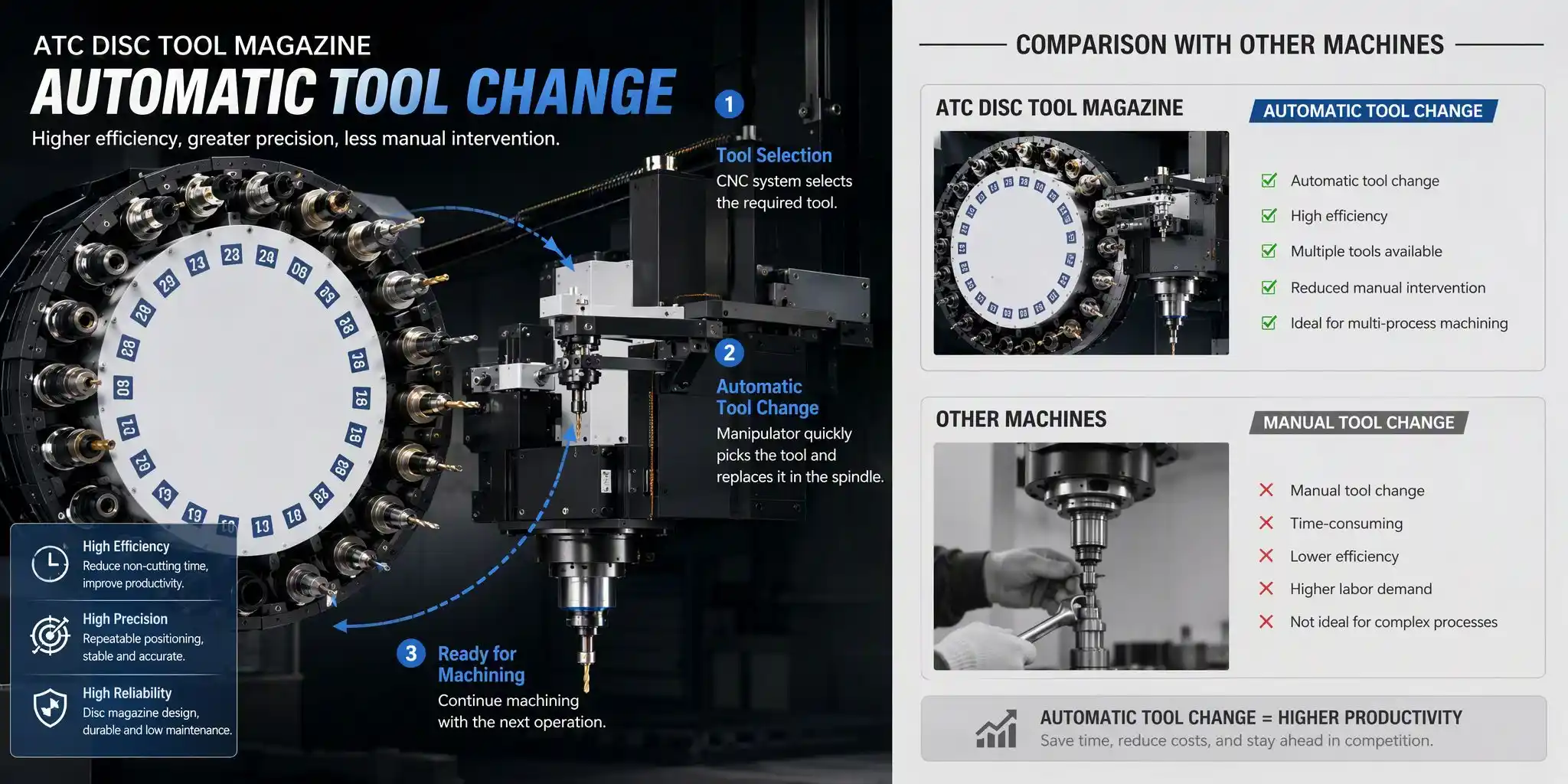
Machining centers vs. general NC machines. The biggest difference lies in the automatic tool changer. Regular NC lathes and NC milling machines can hold only one tool at a time, so operators must swap end mills, drills, and taps by hand between steps. In contrast, machining centers switch tools automatically. Consequently, they enable continuous, non-stop machining and significantly reduce idle time.
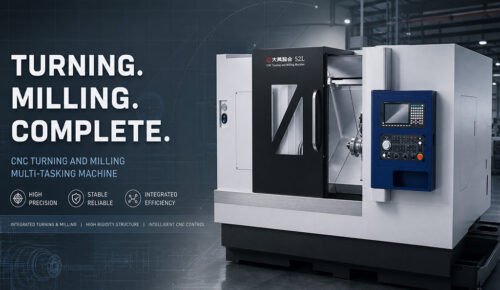
Machining centers vs. turning centers. These two machine types grow from different technology roots. A machining center acts as an NC milling machine with an added ATC, and it mainly machines a fixed workpiece with a rotating tool. A turning center, meanwhile, builds on the NC lathe and incorporates milling capability. Because they handle both turning and milling, people often call them multi-tasking machines. Still, modern function overlap makes the two categories harder to separate clearly.
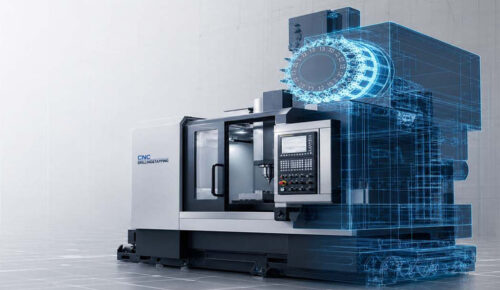
NC stands for numerical control, and the NC unit acts as the machine's brain. It precisely controls tool movements and operations based on programmed data. With it, you produce complex-geometry parts with high precision. The NC control panel, on the other hand, is your operating interface. It provides buttons, switches, and a display so operators can enter instructions easily.
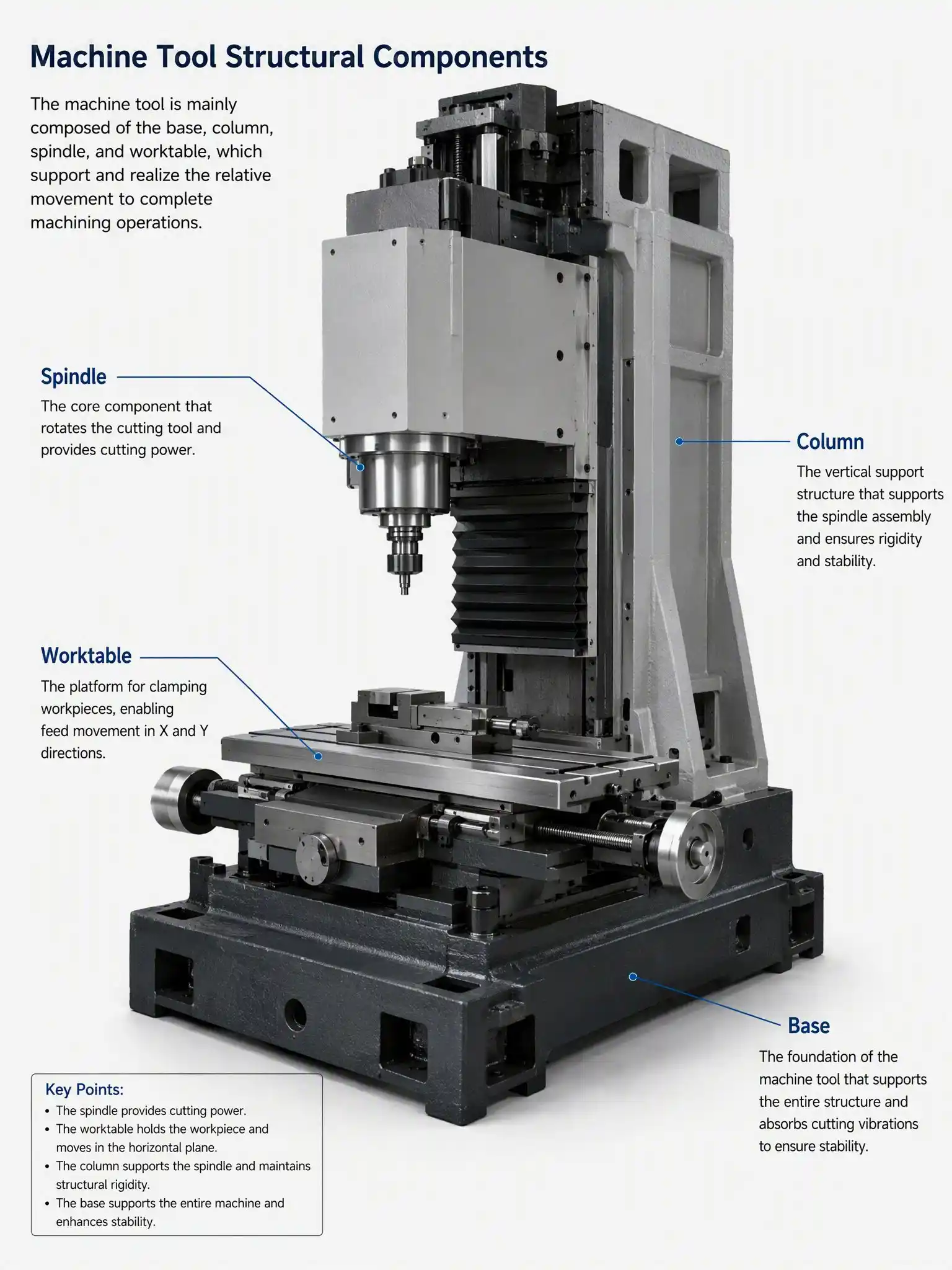
The base is the machine's foundation and sits directly on the floor. Manufacturers build it from sturdy material to ensure stability and accuracy, and some brands call it a bed. Rising from the base, the column forms the vertical frame. It acts like the machine's spine and supports all moving components above. Together, these two parts provide the rigid structure that makes precision machining possible.
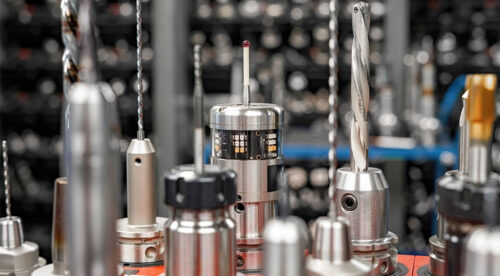
The spindle holds the cutting tool, and its speed and stability heavily influence machining quality. Tooling connects the spindle to the tool and includes the tool holder and shank. Manufacturers classify machines as BT30 or BT40 based on shank size. Common cutting tools include milling cutters, end mills, and drills. Each one handles different tasks, from roughing and finishing to drilling holes.
The ATC automatically changes tools stored in the machine's magazine. By swapping quickly through many tools, it saves time and supports continuous production. Meanwhile, the machine table performs the central job of clamping the workpiece firmly in place. Tables vary in size, shape, and function according to each machine's type and purpose.
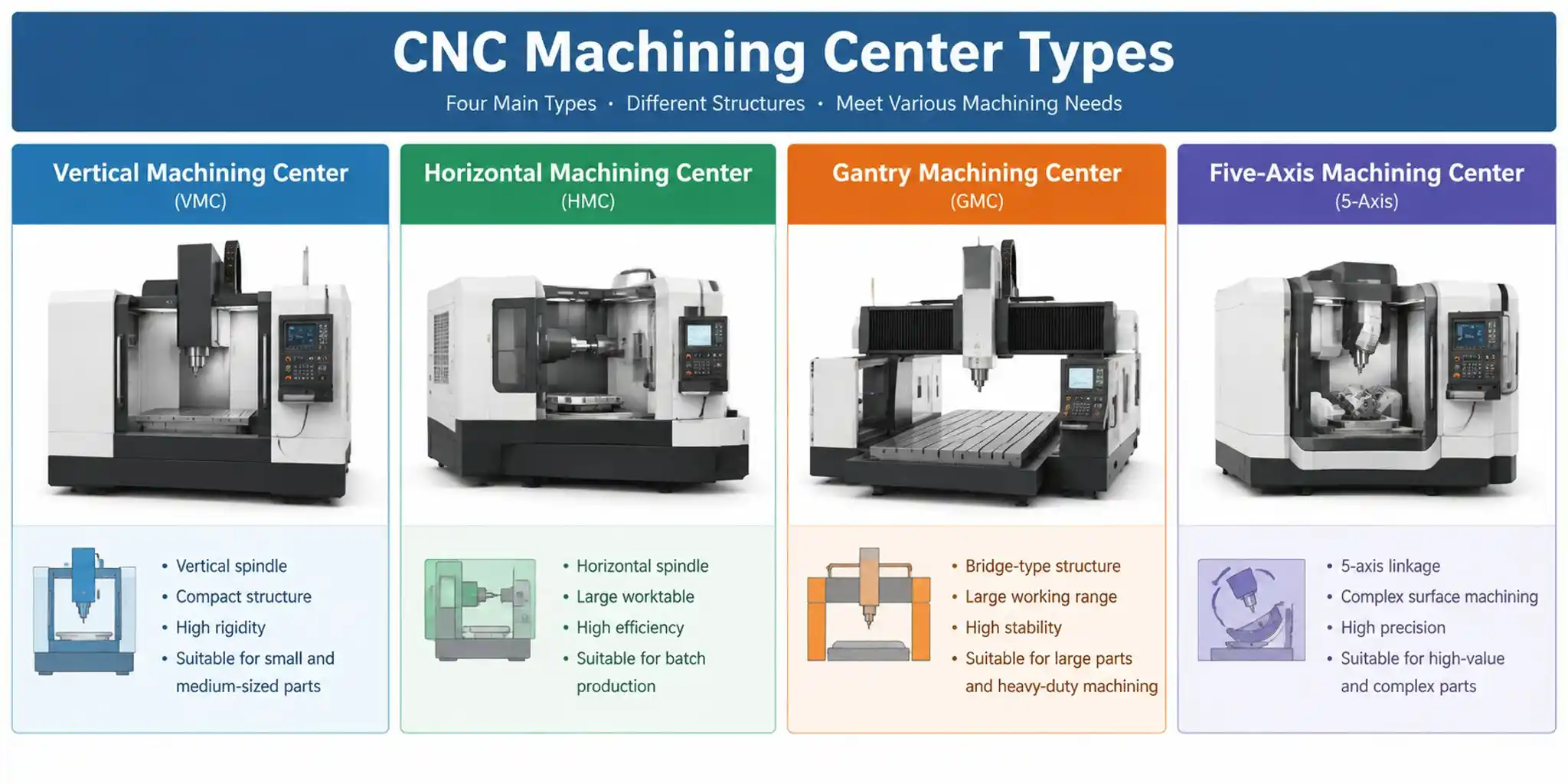
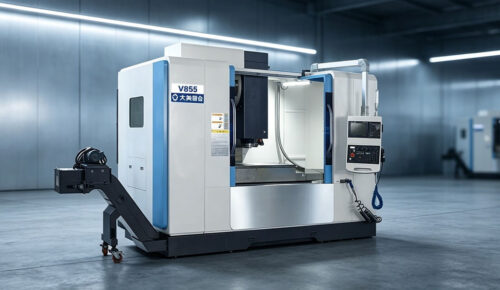
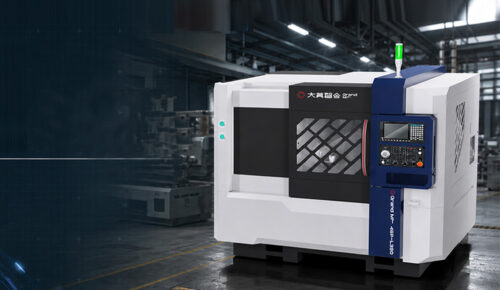
Vertical machines position the spindle and workpiece vertically, so operators process work from the top. This layout makes it easy to check the cutting status during each operation. Many models remain relatively compact. For that reason, they suit high-mix, low-volume production of small precision parts. GrandCNC supplies reliable vertical models for general-purpose job shops.
Horizontal machines align the spindle and workpiece sideways. This design simplifies side cutting and supports continuous multi-face machining. Moreover, chips fall away naturally, which lowers the risk of tool damage from leftover scrap. Nevertheless, you should take care with heavy workpieces, because their own weight can cause distortion and deflection during processing.
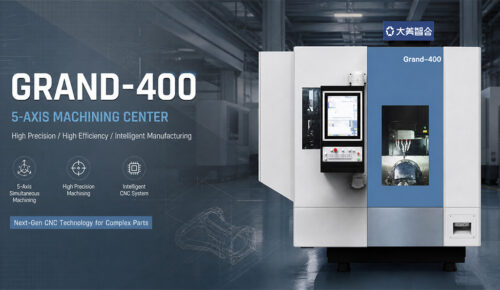
Gantry machines use a double-column frame, making them ideal for cutting large workpieces. They mainly handle heavy parts such as aircraft components, large molds, and railway pieces. Meanwhile, 5-axis machining centers add two rotary axes to the standard X, Y, and Z travel. As a result, they machine curved surfaces and complex geometry with fewer changeovers.
Set your budget first. Machining center prices vary widely by size, features, and brand. Smaller models cost less, while large machines demand much higher investment. Therefore, you should first clarify your objectives and the workpieces you plan to machine. Then discuss a budget that fits both your company and the right machine for your needs.
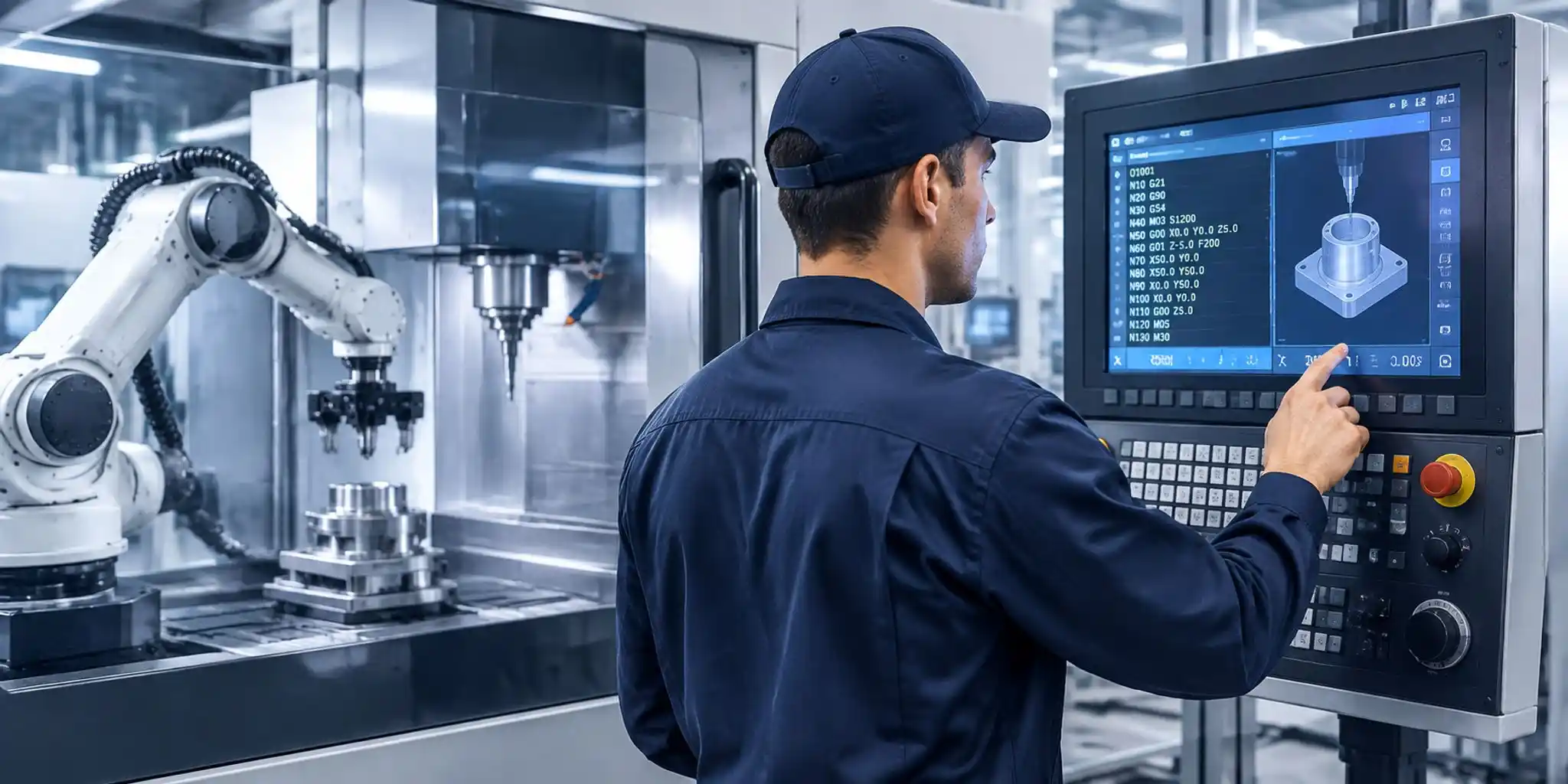
Understand the operating workflow. Machining runs through three main steps. First, create an NC program that specifies geometry, size, tool types, coordinates, and rotation speed. For complex parts, you may use CAD software for drawings and CAM software to generate the program. Second, attach the tools and workpiece that the program specifies. Third, run the program from the control panel to start machining.
Invest in operator training. Operating a machining center properly requires knowledge and hands-on experience. If this is your first machine, expect a learning curve before your team becomes proficient. For this reason, we recommend training alongside installation. Encourage operators to pursue certified machining technician licenses or complete e-learning courses. Build an environment where your employees take the initiative to learn continuously.
Labor shortages on manufacturing floors worsen every day. To stay competitive, companies push for IoT and automation initiatives. Machining centers offer an effective way to relieve labor pressure and lift productivity. In fact, many factories already see strong results after introducing them. Still, financial and technical hurdles remain for every buyer. If you have any questions or concerns, contact the GrandCNC sales team. We help you compare solutions, review customer success stories, and build a deployment plan that fits your workshop.
 Industry
 Products
 Products
 Products
 Products
 Products

English

French

Portuguese

Spanish