What is machine tool equipment?
Machine tools constitute the core foundation of the manufacturing industry and are known as "mother machines" (or "industrial mother machines"). They are machines that provide the power, precise motion, and control required for the metal cutting, forming, or joining processes used to manufacture machine parts or workpieces.
Machine tool equipment is primarily classified according to machining processing method, control method, and machining accuracy.
Main classifications (by processing method)
Cutting machine tools:
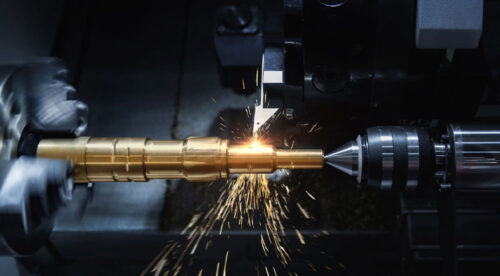
- Lathe: The workpiece rotates while the cutting tool moves to perform the cut. Primarily used for machining features of revolution such as cylinders, cones, end faces, threads, and grooves. It is the oldest and most widely used type of machine tool.
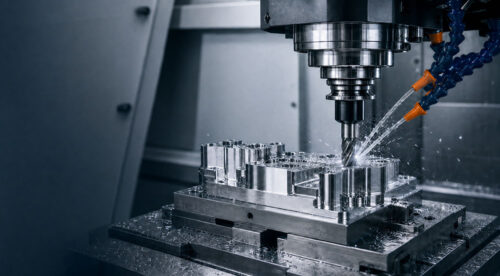
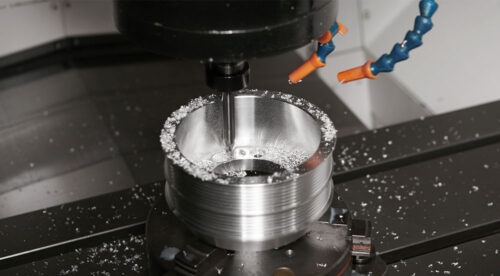
- Milling Machine: The cutting tool rotates while the workpiece moves (or both move simultaneously) to perform the cut. Highly versatile, capable of machining flat surfaces, curved surfaces, grooves, gears, complex 3D contours, etc. Common types include vertical, horizontal, and gantry milling machines.
- Drilling Machine: Primarily used for drilling holes in workpieces. The cutting tool (drill bit) rotates and feeds axially. Types include bench drills, upright drills, radial arm drills, and deep-hole drilling machines.
- Boring Machine: Used to enlarge or finish-machine existing holes (especially large-diameter ones), ensuring dimensional, geometric, and positional accuracy.
- Grinding Machine: Uses a high-speed rotating grinding wheel as the cutting tool to remove small amounts of material. Primarily used to achieve extremely high dimensional and geometric accuracy as well as superior surface finish (low Ra value). Types include cylindrical, internal, surface, centerless, and tool grinding machines.
- Planer/Shaper: The cutting tool or workpiece undergoes linear reciprocating motion to perform the cut. Primarily used for machining flat surfaces and linear grooves. Planers are suitable for long, narrow flat surfaces, while shapers are suitable for features like internal keyways.
- Broaching Machine: Uses a broach with multiple cutting teeth performing linear or rotary motion to machine complex profiles in a single stroke. Offers high efficiency and precision but involves expensive tooling; suitable for mass production.
- Sawing Machine: Used for cutting off material or making slots (includes band saws, circular saws, power hacksaws, etc.).
- Gear Machining Machine: Machine tools specialized for machining gear tooth profiles (e.g., gear hobbing, shaping, shaving, and grinding machines). Electrical machining machine tools: Utilize electrical energy (electric discharge or electrolysis) to remove material; suitable for machining ultra-hard materials or complex cavities (e.g., EDM sinkers and wire-cut EDM machines).
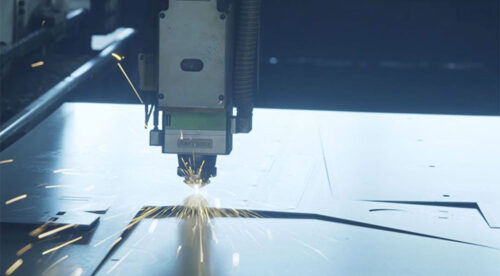
- Laser cutting machines/Waterjet cutting machines: Utilize high-energy laser beams or ultra-high-pressure water jets to cut materials; classified as special machining machine tools.
Forming machine tools:
- Press: Uses pressure to form sheet metal (punching, blanking, bending, deep drawing, etc.). Includes mechanical presses and hydraulic presses.
- Bending machine: Specifically designed for bending sheet metal.
- Shearing machine: Used for the straight-line cutting of sheet metal.
- Forging equipment: such as forging hammers and hydraulic forging presses, used for bulk metal forming.
Connect machine tool:
- Welding equipment: such as arc welding machines, resistance welding machines, laser welding machines, etc.
- Riveting machines: used for joining with rivets.
Classified by control method
Conventional machine tools:
Operation relies primarily on the operator's skills and experience for adjustments and control (e.g., conventional lathes and milling machines).
CNC machine tools:
These utilize Computer Numerical Control systems to govern machine movement and the machining process via pre-programmed instructions. They represent the mainstream in modern manufacturing.
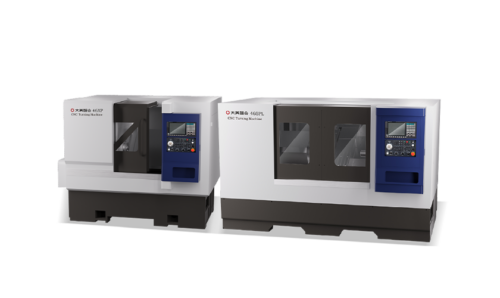
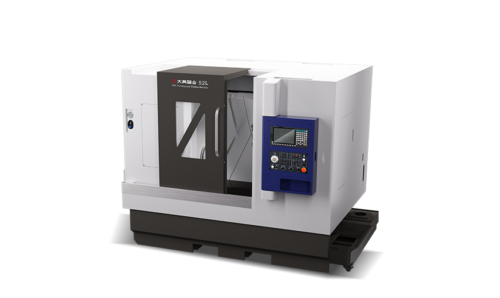
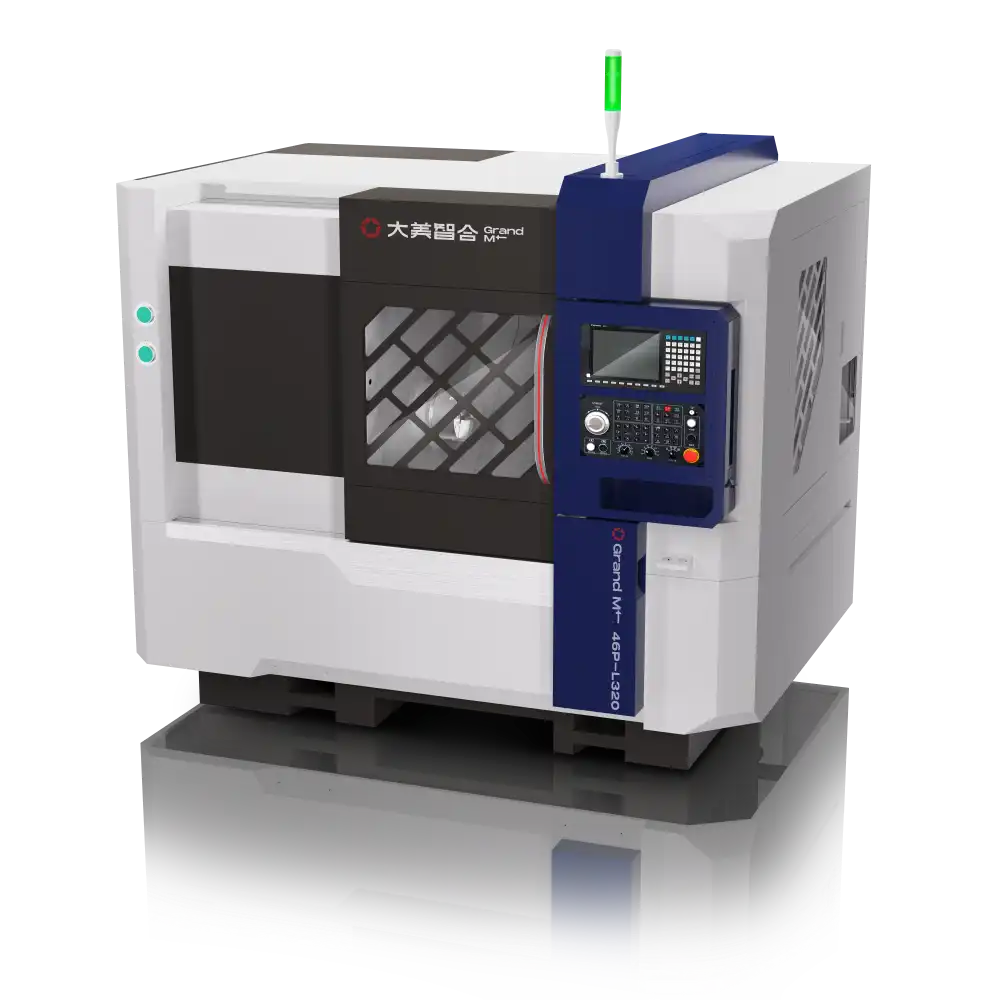
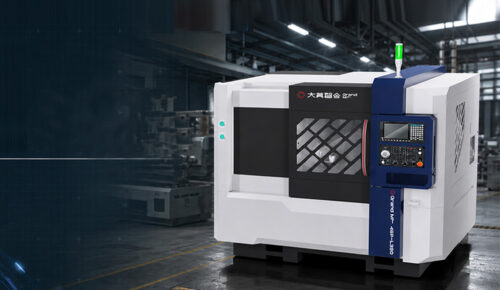
Grand-46P-L320
CNC Turning Machine
CNC turning machine is a high-precision lathe for cylindrical components. It performs turning, boring, threading, and grooving. With live tools and Y-axis, it enables complete multi-tasking in one clamping.
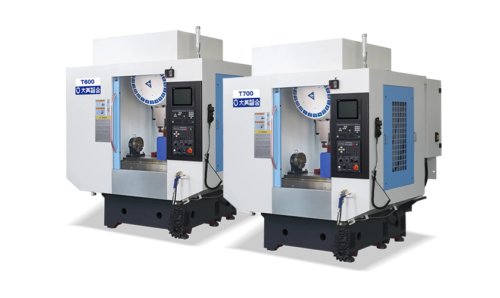
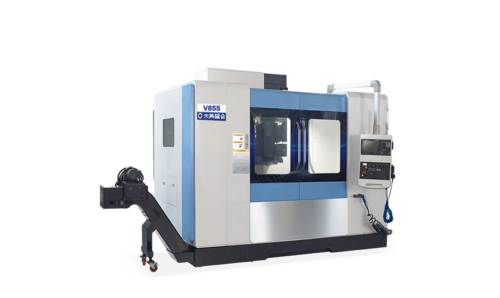
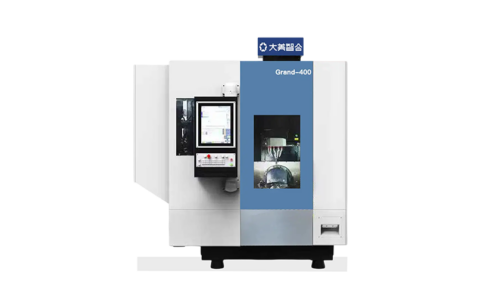
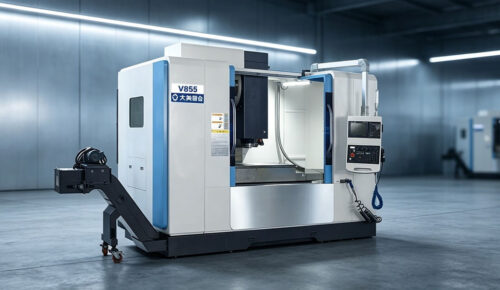
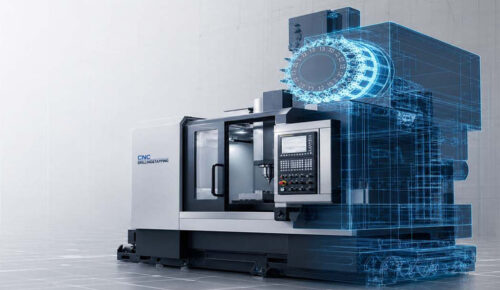
- CNC Machining Center: A powerful CNC machine tool, typically equipped with an automatic tool changer and a rotary table (e.g., vertical or horizontal machining centers), capable of performing multiple operations—such as milling, drilling, tapping, and boring—on a single machine.
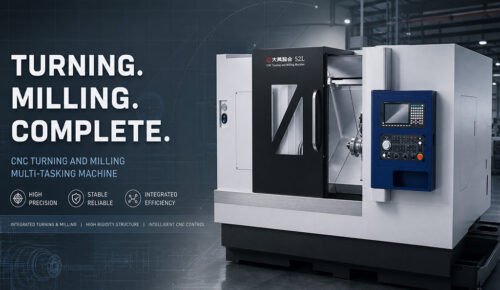
- Turn-Mill Center: Combines turning and milling capabilities, allowing for the machining of complex parts in a single setup.
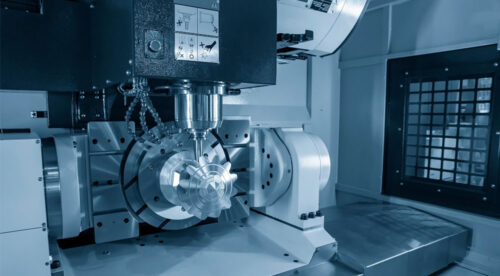
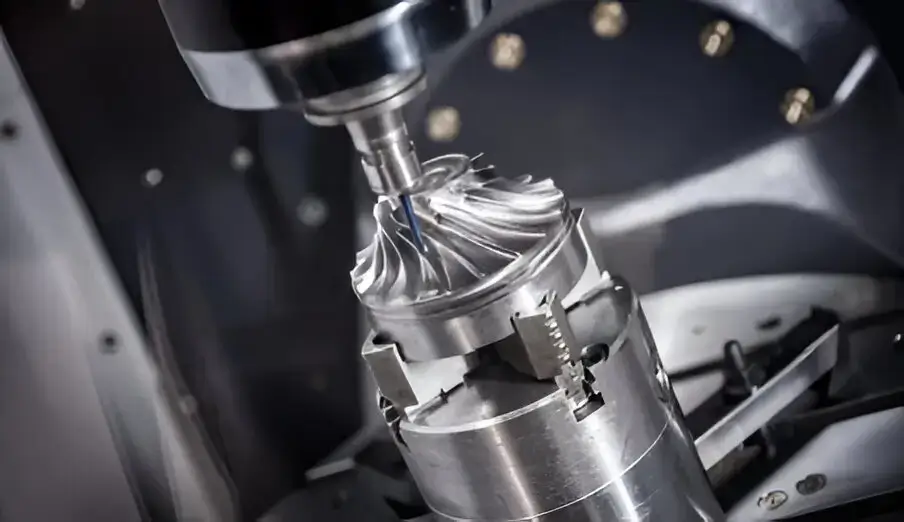
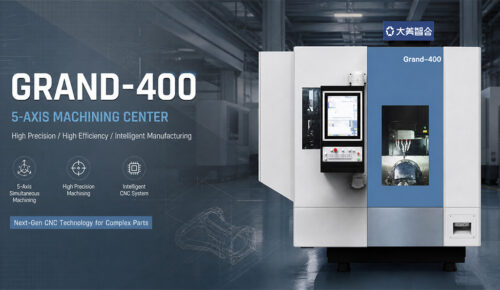
- Multi-axis Machining Center: Such as a 5-axis machining center, capable of simultaneous movement in multiple spatial directions to machine extremely complex curved surfaces.
Classification by machining accuracy
Standard-precision machine tools:
e.g., standard milling machines, boring machines, drilling machines, etc.
Precision machine tools:
e.g., thread-machining machines, gear-machining machines, grinding machines, etc.
Ultra-precision machine tools:
e.g., jig boring machines, gear grinding machines, high-precision gear hobbing machines, etc.
Key technical elements
- Structural Rigidity: The ability to resist cutting forces and vibrations, directly affecting machining accuracy and surface quality.
- Motion Accuracy: The positioning accuracy, repeatability, and motion smoothness of the various axes (linear axes X/Y/Z; rotary axes A/B/C).
- Spindle System: Provides cutting power and rotational precision (speed, torque, rigidity, and thermal stability).
- Feed System: Precisely controls the movement of the tool or workpiece (ball screws/nuts, linear motors, servo motors).
- CNC System: The "brain" of the machine tool, responsible for interpreting programs and controlling motion and logic functions (e.g., FANUC, Siemens, Heidenhain, Mitsubishi).
- Tooling System: Directly impacts cutting efficiency, quality, and cost (tool material, geometry, clamping method, cooling/lubrication).
- Measurement and Feedback System: Ensures motion accuracy (linear scales, encoders).
- Thermal Deformation Control: Minimizes accuracy loss caused by heat generation during machining.
- Vibration Damping Technology: Enhances machining stability and surface quality.
Key Application Areas
- Aerospace (engine components, airframe structural parts)
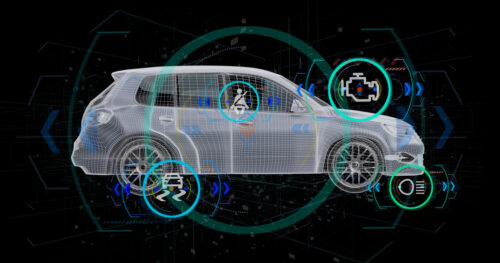
- Automotive manufacturing (engines, transmissions, chassis components, bodywork molds)
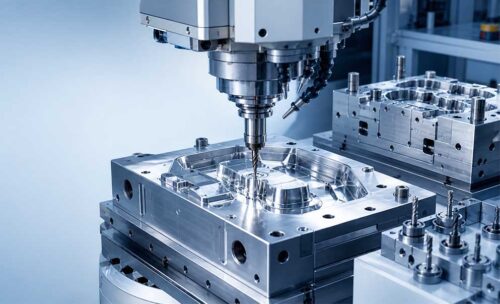
- Mold making (injection molds, die-casting molds, stamping dies)
- Energy equipment (gas turbines, nuclear power components, oil drilling equipment)
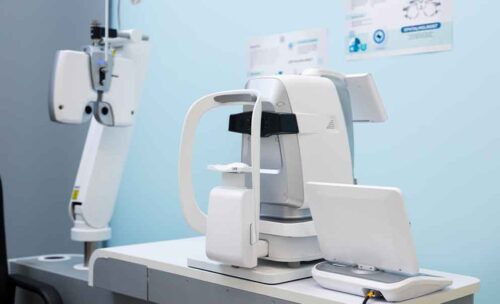
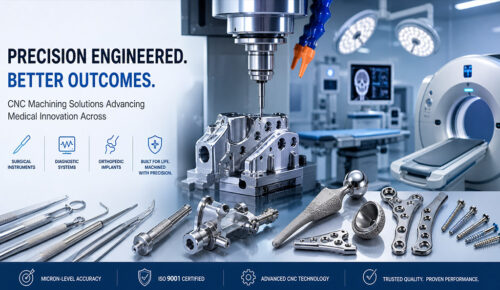
- Medical devices (artificial joints, surgical instruments)
- Electronics industry (precision parts, semiconductor manufacturing equipment components)
- General machinery manufacturing (various shafts, gears, and housing components)
- Rail transportation (wheelsets, bogie components)










 Products
 Products
 Products
 Products
 Products
 Industry