











Manufacturers rely heavily on machine tools to build machinery and component parts across global workshops. Whether you want to grasp core fundamentals or plan new‑equipment procurement for your plant, this guide breaks down machine‑tool basics. We cover official definitions, mainstream categories with real application cases, key NC components, industry history, and practical selection tips for your production goals.
First, let us clarify what exactly counts as a machine tool.
Machine tools shape raw materials into target geometry via cutting, grinding, or special processing methods. Importantly, we exclude handheld power tools and magnet‑mounted portable equipment from this category.
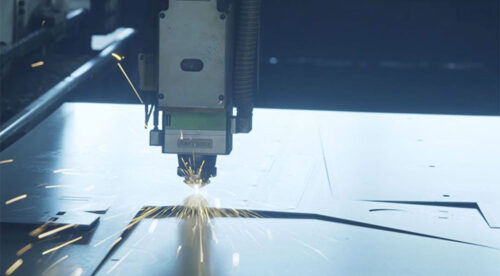
Specifically, machine tools perform three core machining processes. First, cutting uses sharp tools to remove excess material. Second, grinding employs abrasive wheels to improve surface finish and enhance dimensional accuracy. Third, non-traditional machining utilizes laser or electrical energy to process specialized materials. Due to these capabilities, machine tools are often referred to as "mother machines," as they are used to manufacture other industrial equipment.
Furthermore, machine tools differ from general industrial machinery. Industrial machinery is responsible for manufacturing complete finished products in factories—such as chemical processing equipment and large-scale cleaning systems—whereas machine tools focus on shaping and cutting individual metal components. While most machine tools process metal, modern ones also work with ceramics, glass, and wood.
We walk through widely‑used machine‑tool categories and attach real industrial application cases to help you understand their production value intuitively.
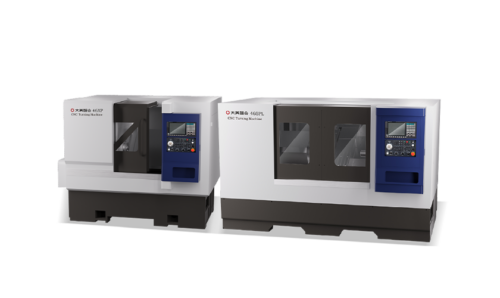
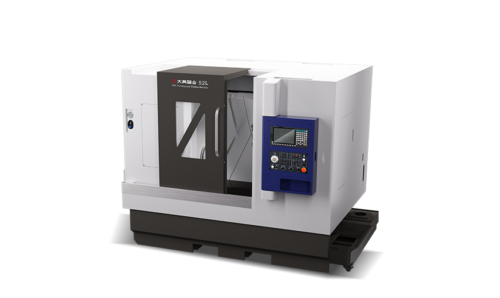
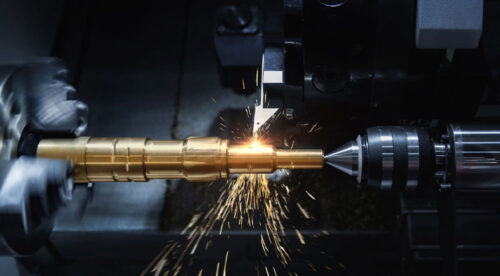
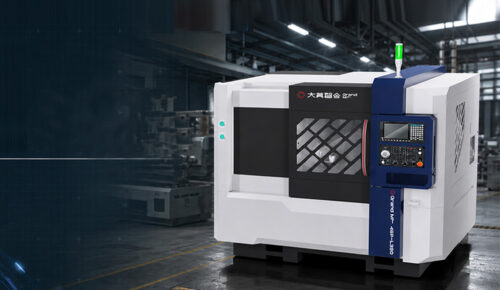
Lathes are a fundamental machine tool. It rotates the workpiece while pressing a cutting tool against its surface, thereby removing excess material and producing round or cylindrical parts.
Common variants include manual universal lathes, NC lathes with programmed automation, turret lathes with multi‑tool rotary heads, vertical lathes, bench‑top small lathes and front‑facing lathes.
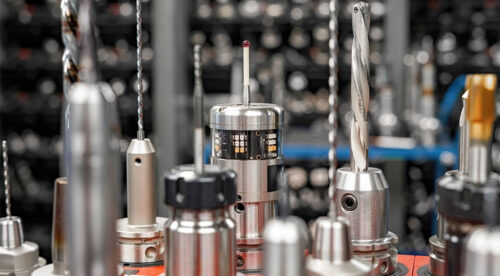
A drilling machine is a type of machine tool designed for hole-making operations. It rotates a drill bit and presses it against a stationary workpiece to create circular holes. Consequently, drilling machines are suitable for producing mounting holes, connecting holes, and through-holes.
There are various types of drilling machines. Common types include vertical floor-standing drills, compact bench drills, multi-spindle drills, gang drills, turret drills, deep-hole gun drilling machines, and radial arm drills. Multi-spindle drills can machine multiple holes simultaneously, making them suitable for mass production. Radial arm drills allow for the repositioning of the spindle, making them ideal for large workpieces. Deep-hole gun drilling machines are designed specifically for holes with high depth-to-diameter ratios, while bench drills are suitable for small parts and maintenance workshops.
A boring machine is a piece of equipment used for the precision machining of holes. It employs a rotating cutting tool that enters an existing hole to enlarge its diameter and correct its position. Consequently, the machine is not used to drill the initial hole but rather to enhance dimensional accuracy, geometric precision, and surface quality. It is particularly well-suited for machining large, deep, or high-precision holes.
Main styles include horizontal boring machines for large deep holes, vertical boring machines, ultra‑precision jig boring machines, and automated NC boring versions.
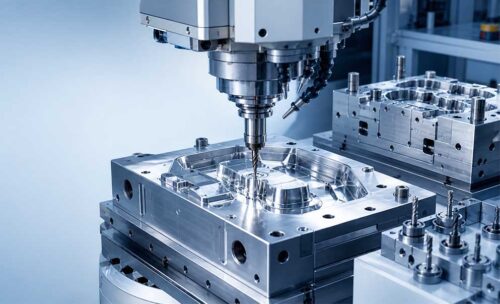
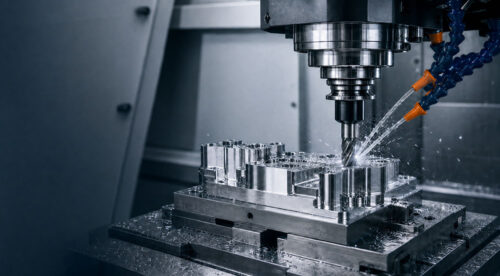
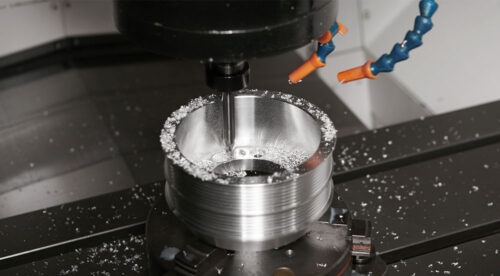
A milling machine is a machine tool that removes material using a rotating cutter. It operates by rotating a multi-edged milling cutter at high speed while the worktable moves the workpiece. Consequently, milling machines can machine flat surfaces, steps, grooves, contours, and complex curved surfaces. Unlike a lathe, where the workpiece rotates, a milling machine rotates the cutter; this distinction makes milling machines better suited for machining housings, molds, and structural components.
Milling machines fall into two main categories. The first consists of manual, conventional milling machines; these offer operational flexibility and are suitable for single-piece production and maintenance work. The second category comprises CNC milling machines, which use programmed control for tool paths and are ideal for batch production and high-precision machining. Based on their structure, milling machines are further classified as vertical, horizontal, or gantry types. Vertical milling machines are suitable for machining flat surfaces and molds. Horizontal milling machines are suited for box-shaped components and multi-sided machining. Gantry milling machines are designed for large workpieces.
A grinding machine is a precision finishing machine tool. It removes extremely thin layers of material by bringing a high-speed rotating grinding wheel into contact with the workpiece. Consequently, grinding machines are not used for heavy stock removal but rather to enhance dimensional accuracy, geometric precision, and surface finish. They are particularly well-suited for cylindrical surfaces, flat surfaces, and hard metal components. Due to low grinding forces and high precision, grinding is often the final step in the machining process.
Major types include surface grinders, cylindrical grinders, internal hole grinders, tool grinders, centerless grinders, jig grinders, form grinders and NC‑automated grinders.
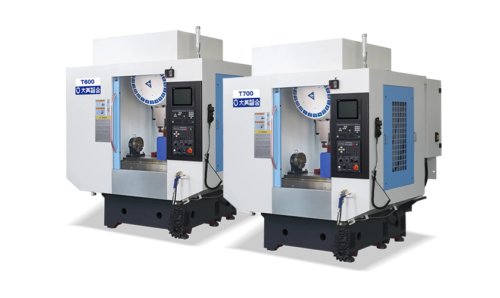
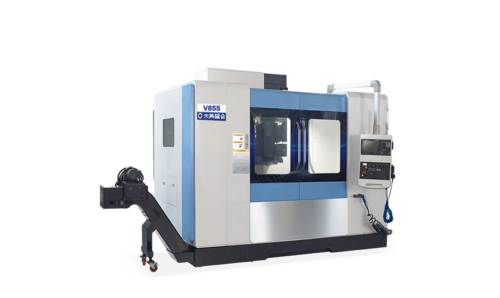
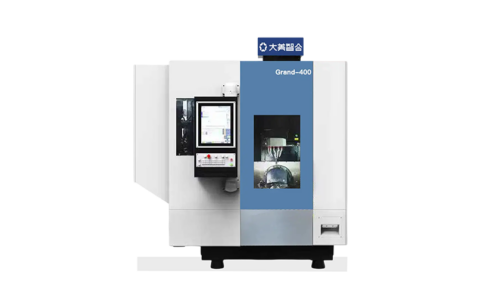
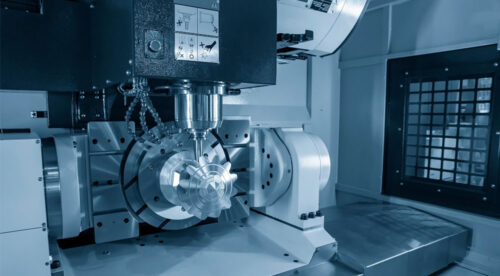
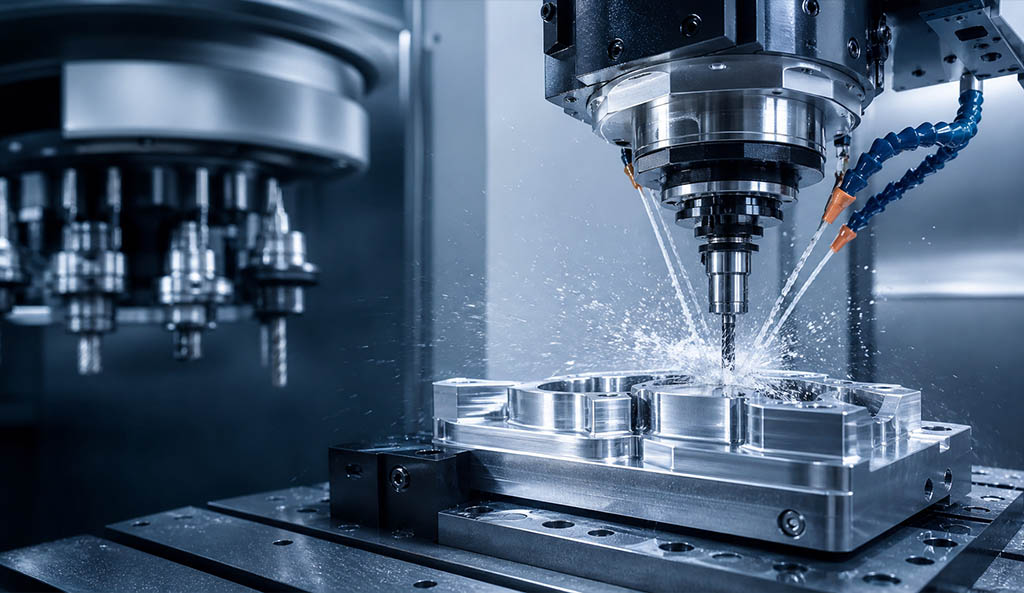
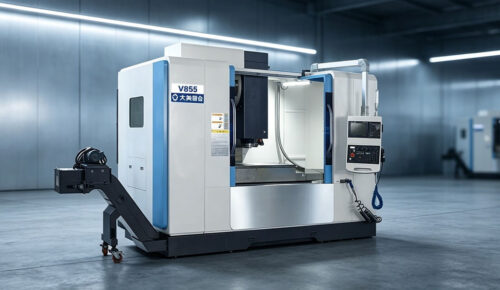
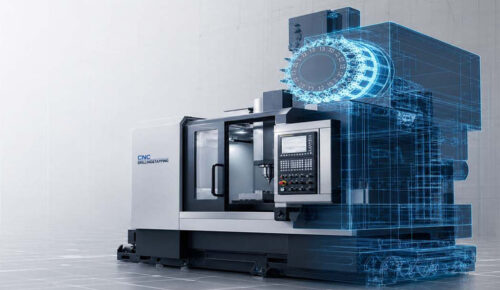
A machining center is a versatile CNC machine tool that integrates drilling, milling, boring, and tapping into a continuous production cycle. Consequently, multiple machining operations can be completed with a single workpiece setup. An integrated Automatic Tool Changer (ATC) automatically swaps tools under the control of the CNC program. It is particularly well-suited for complex parts, molds, and batch production.
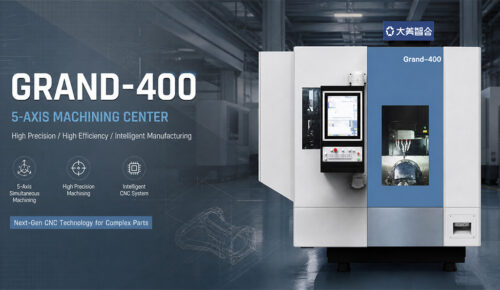
Machining centers are primarily categorized into vertical, horizontal, gantry, and five-axis types. Vertical machining centers are suitable for flat surfaces, molds, and mechanical structural components. Horizontal machining centers are ideal for box-type parts and multi-sided machining. Gantry machining centers are designed for large workpieces. Five-axis machining centers feature additional rotary axes, enabling multi-angle machining in a single setup. Furthermore, different configurations cater to varying workpiece dimensions and precision requirements. When making a selection, you should comprehensively consider factors such as part geometry, material, production volume, and budget.
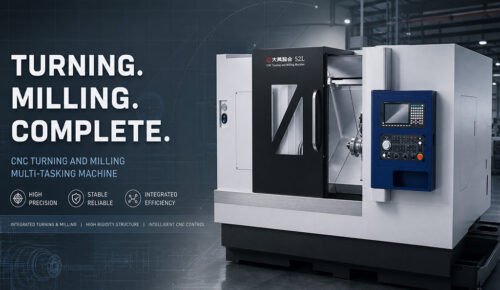
Multi‑tasking NC machines carry out diverse machining sequences with automatic tool change functions. You finish complete parts from raw stock to final finish on one unit, replacing multiple traditional devices.
Gear cutters shape gear profiles using hobs, pinion cutters or rack‑style cutting tools. This equipment makes high‑precision gear sets for power transmission systems.
Core gear‑cutter categories are hobbing machines, gear grinders, bevel‑gear cutters, gear shapers and gear‑shaving finishing machines.
Next, we explain key hardware components inside NC‑based machine tools and their core functions, which support all the above machining and application scenarios.
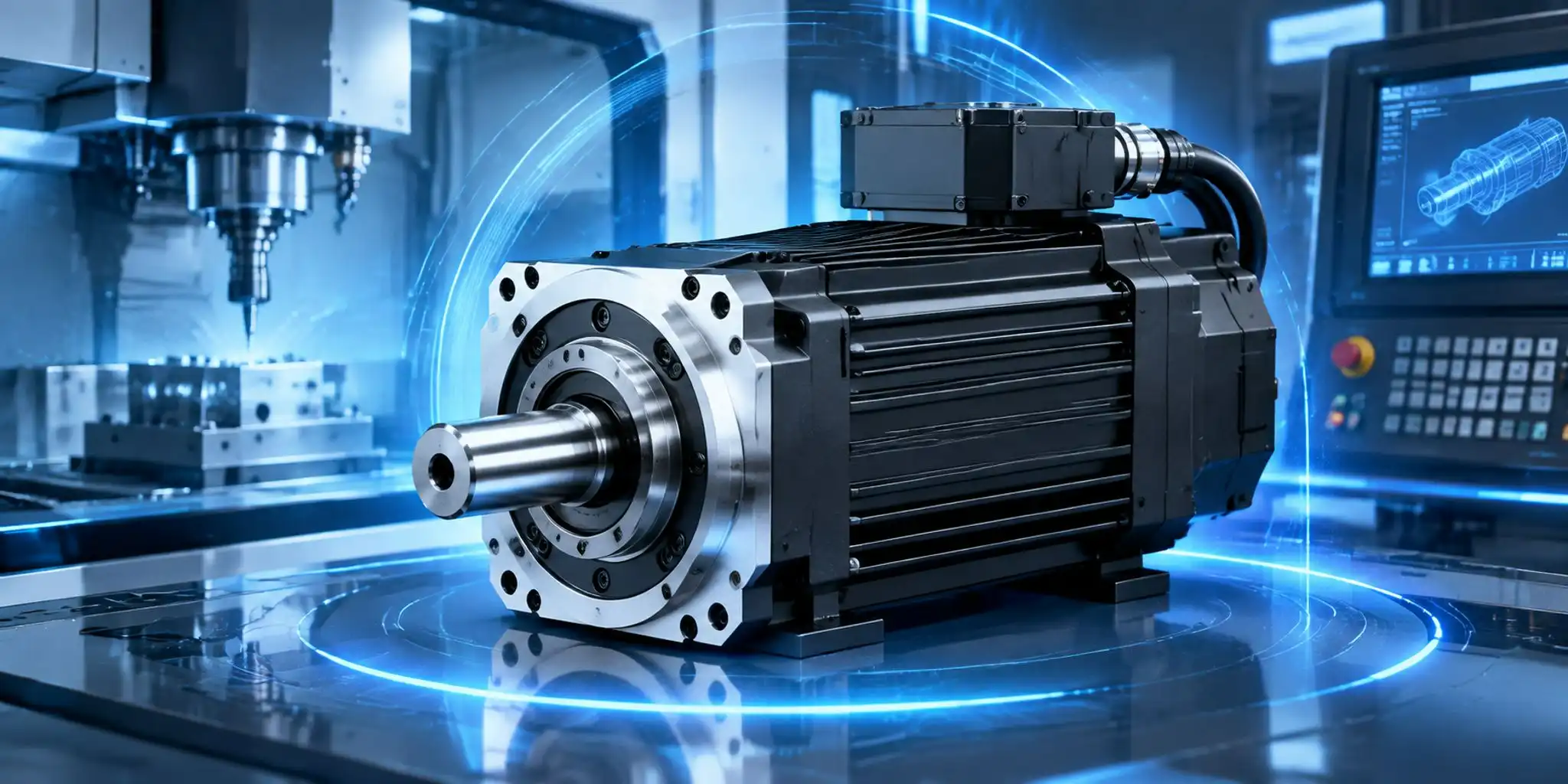
The motor drives tool movements strictly following loaded NC programs. Program instructions dictate motor rotation speed and travel directions for every motion cycle.
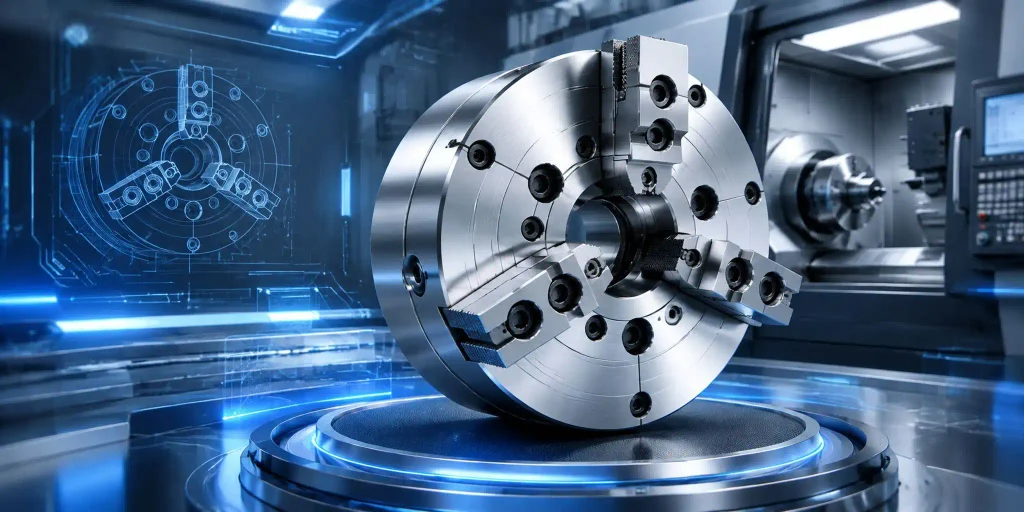
The chuck acts as your workpiece holding base. You select scroll chucks with clamping jaws, collet chucks, or hydraulic-powered chucks to secure different‑size parts.
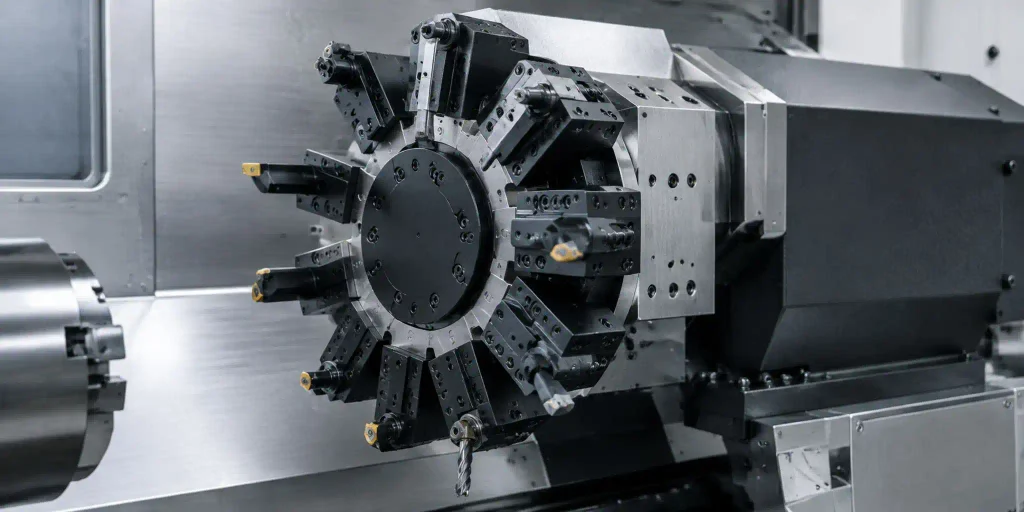
Turret assemblies mount multiple tool holders on polygon‑shaped rotating faces. Operators fit different cutting tools on each face for fast tool switching during jobs.
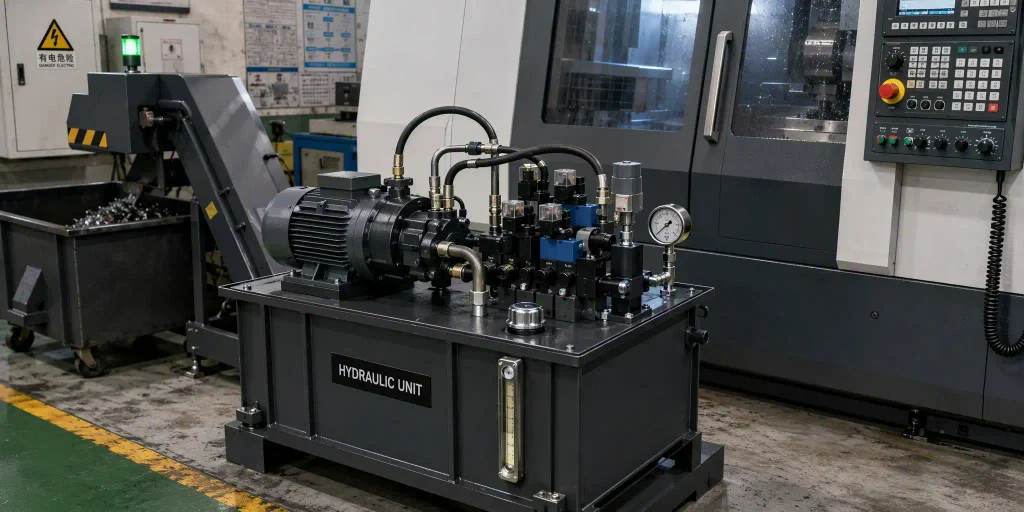
The hydraulic unit delivers power for many machine motions. It adjusts chuck clamping pressure, rotates turret heads, and controls tailstock forward‑and‑retract travel.
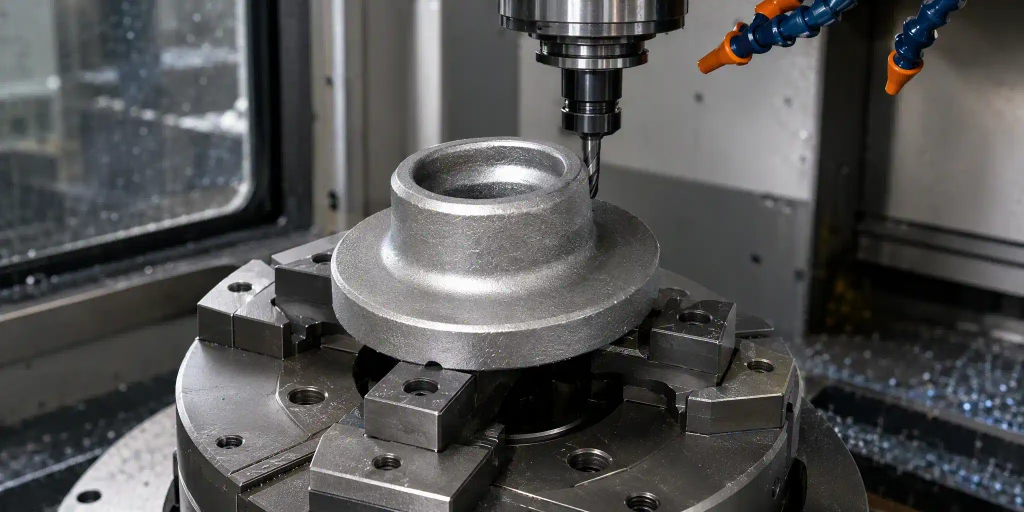
A workpiece describes raw stock, semi‑finished parts, or components actively undergoing machining operations.
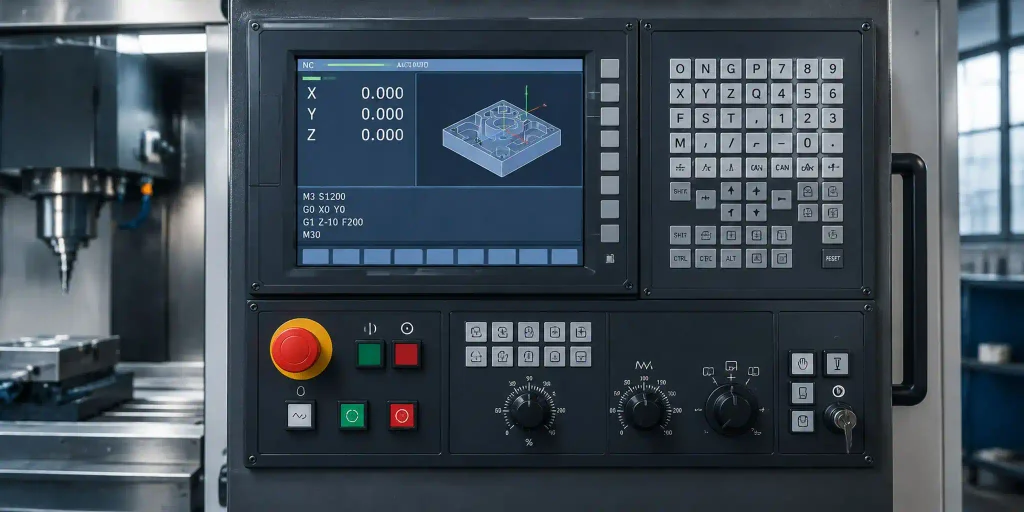
Operators interact with the NC control panel. This panel lets you adjust spindle RPM, tool speed, table position, and axis travel distances for every production run.
Machine‑tool technology evolves alongside humanity’s whole manufacturing progress, continuously adapting to diverse industrial application needs.
Early machine‑tool origins trace back to ancient Egypt. Wall murals document bow‑drill devices that spin drill bits with a pull‑push bow motion. People later adapted this core principle for early manual lathe equipment.
Water‑wheel and steam‑powered large machine tools appeared from the 16th century onward. Motors arrived at the end of the 19th century, and factories widely adopted motor‑driven machine tools by the 1900s.
US engineers invented early NC technology during the 1950s. Asian manufacturers advanced and popularized NC systems in subsequent decades. Today, machine‑tool output strength directly reflects a nation’s overall industrial technical capability.
Moving to modern trends: AI and robotic technology reshape manufacturing requirements. Shrinking labour pools push factories to pursue higher automation and labour‑saving workflows. Industry players expect machine‑tool designs to advance toward fully autonomous operation and intelligent precision processing.
If your team plans a new machine‑tool investment, combine actual production application scenarios and evaluate these key performance criteria before purchase.
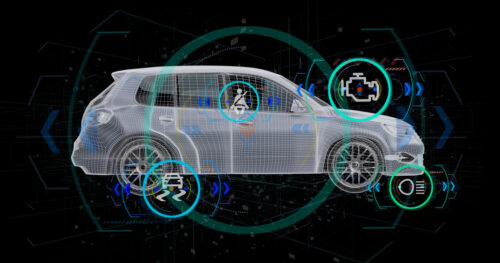
First, prioritize high accuracy. Electric‑vehicle and autonomous‑driving development demand tighter component tolerances. Pick machines that reliably execute precision automated work for your target‑part specifications.
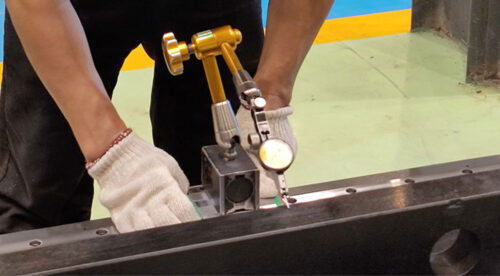
Second, assess machine rigidity. Good rigidity means the machine structure resists deformation and holds consistent machining accuracy. Poor structural stiffness creates dimensional drift and defective finished parts in batch production.
Third, calculate overall operational efficiency. Automated NC and multi‑tasking machines cut manual labour input. They deliver consistent output quality and remove performance gaps caused by operator fatigue in long-term batch processing.
Fourth, look beyond upfront purchase price. Compare full‑lifecycle costs including routine maintenance, spare‑part repairs and expected service lifespan. Low‑cost short‑life hardware often raises long‑term running expenses for mass production.
Finally, match machine size, travel range, and built‑in functions directly to your actual product portfolio and application scenarios.
Every workshop holds unique workpiece dimensions and production targets. We suggest you inspect real‑world machine dimensions and consult equipment specialists before finalizing procurement decisions.
At GrandCNC, our engineering team evaluates your part drawings, material types, and production volumes. We help you select suitable machining‑center, lathe, or multi‑tasking‑machine models to match your shop floor and industrial application needs. Reach out to our technical consultants for custom machine‑tool recommendations for your manufacturing projects.
 Industry
 Products
 Products
 Products
 Products
 Products

English

French

Portuguese

Spanish