










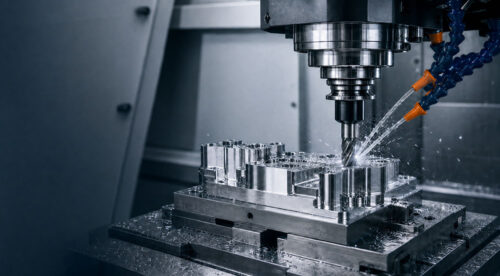
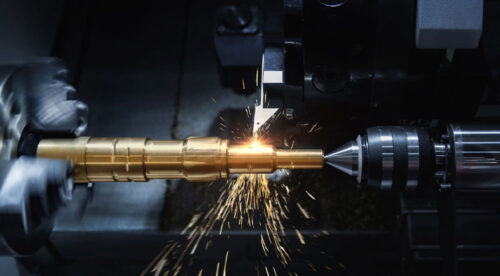
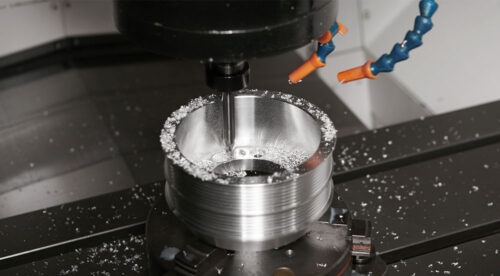

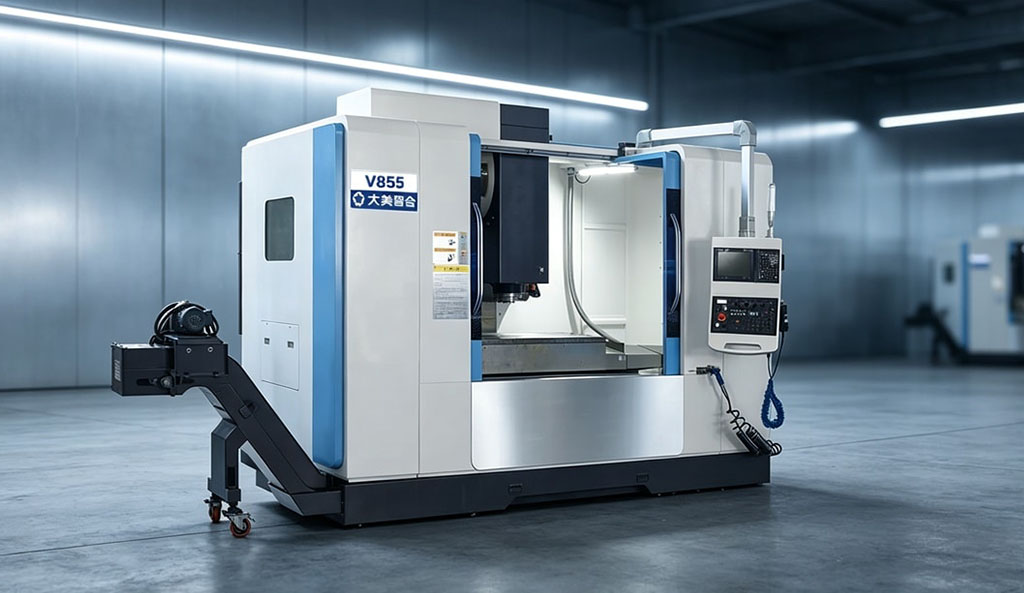
As modern manufacturing accelerates toward higher precision and efficiency, the vertical machining center (VMC) has become a core piece of equipment across many industries—automotive components, aerospace structural parts, 3C electronics, mold making, and more—thanks to its compact structure, intuitive operation, and flexible machining capabilities. However, facing a wide array of brands and models on the market, how do you select a vertical machining center that truly matches your production needs? This is a common challenge for many purchasing decision‑makers.
This article walks you through six key dimensions to help you make a wise investment decision when choosing a vertical machining center.
The first step in selecting a vertical machine center is not to pore over specification sheets, but to ask yourself: What are we actually machining?
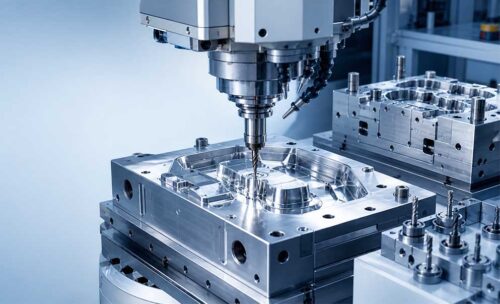
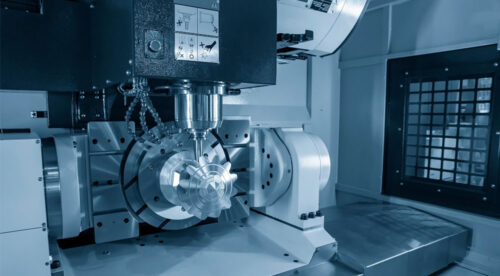
Start by focusing on workpiece characteristics: What materials do you primarily process—aluminum alloys, stainless steel, or mold steels? What are the maximum dimensions and weight of your workpieces? Vertical machining centers excel at processing plate‑type, disc‑type, and cavity‑type parts of small to medium size, especially those with a height not exceeding 500 mm for flat surfaces and shallow cavities. If you machine small precision parts under 50 mm in diameter, choose a compact model; for large molds or box‑type parts, select a heavy‑duty vertical machining center with large travel and high rigidity.
Next, clarify your accuracy requirements: High‑end sectors like aerospace and medical devices impose extremely tight tolerances. Positioning accuracy and repeat positioning accuracy are the core indicators of vertical machining center precision. For batch production, repeat positioning accuracy often matters more than positioning accuracy—it directly determines the consistency of mass‑produced parts.
Finally, evaluate your production batch size: For high‑volume production, prioritize vertical machining centers with fast tool‑changing systems and automated loading/unloading features; for small‑batch, high‑mix production, focus on models with easy changeover and flexible configurations.
Based on your requirements, let's interpret the key technical parameters of a vertical machine center.
The X, Y, and Z travels determine the maximum workpiece size a vertical machining center can handle. The selection principle is simple: choose travels that just cover your largest workpiece, plus allowance for fixtures. Blindly pursuing larger travels not only raises purchase costs but also consumes more floor space. The worktable size and load capacity must also match your workpiece and fixture needs.
The spindle is the “heart” of a vertical machining center. High‑speed spindles (15,000–24,000 rpm) suit high‑speed light cutting of aluminum alloys, copper, and other non‑ferrous metals; high‑torque spindles suit heavy cutting of steel, cast iron, and other ferrous materials. When machining difficult‑to‑cut materials like titanium alloys, prioritize models with high‑power spindles and high‑rigidity bed designs. Regarding spindle taper, BT40 is the most common configuration for vertical machining centers, while BT50 suits heavier cutting applications.
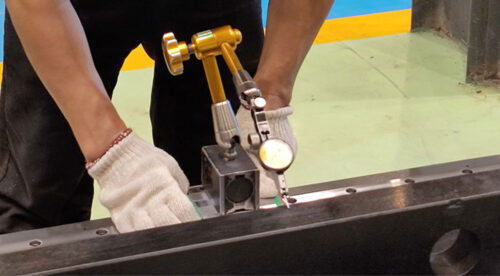
A high‑quality vertical machining center can achieve positioning accuracy ≤0.008 mm and repeat positioning accuracy ≤0.005 mm. When evaluating, ask suppliers to provide actual laser interferometer measurement data rather than relying solely on brochure values.
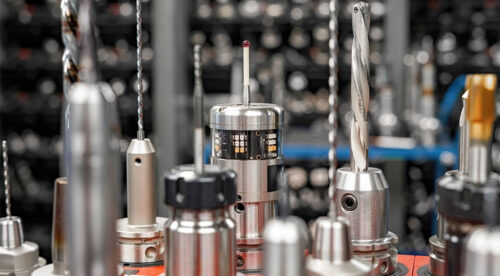
Common tool magazine capacities for vertical machining centers include 16T, 24T, 30T, and 40T. The magazine capacity determines how many operations you can complete in one setup; tool‑change speed affects the proportion of non‑cutting time. Fast‑acting tool‑changing systems significantly boost productivity in batch production.
Rapid traverse and cutting feed rates directly affect machining cycle times. Higher feed rates improve production efficiency, but you need to balance parameters according to your processing requirements.
The “skeleton” of a vertical machine center determines its vibration resistance and long‑term accuracy retention.
Prioritize models with integral cast construction and stress‑relief aging treatment. High‑quality vertical machining centers use high‑grade cast iron, heat‑treated to eliminate internal stresses, ensuring optimum rigidity and lasting accuracy. An integral cast bed effectively absorbs cutting vibrations and maintains processing stability.
Hardened box ways offer high rigidity, suitable for heavy cutting and mold work; linear guideways offer high speed and precision, suitable for product machining. In recent years, more vertical machining centers adopt a “two‑line‑one‑hard” mixed design, balancing speed and rigidity.
During prolonged continuous machining, spindle temperature rise and thermal deformation directly affect machining accuracy. Excellent vertical machining centers incorporate spindle cooling systems to effectively control thermal deformation.
The CNC system of a vertical machining center is critical to operational convenience, machining accuracy, and automation level. Leading control systems include FANUC, Siemens, Mitsubishi, and increasingly mature domestic systems.
When choosing a control system, consider: operator familiarity, system stability and maintainability, and supplier technical support. Additionally, intelligent control systems with data tracking, process optimization, and remote diagnostics can significantly boost vertical machining center productivity and machine utilization.
Purchasing a vertical machine center is by no means a one‑time expense—you must account for the full lifecycle cost.
Vertical machining center purchase costs vary by brand, specification, and configuration. Balance performance and price within your budget.
These include spindle energy consumption, tooling wear, maintenance, fixtures, and more. A high‑efficiency vertical machining center may have a slightly higher initial outlay but lower long‑term running costs.
Evaluate whether the equipment can deliver faster ROI through improved machining efficiency, reduced scrap rates, and less manual intervention. “Cost‑effectiveness” should measure the ratio of total investment to production benefits, not simply pursue the lowest price.
As manufacturing evolves toward smart production, choosing a vertical machining center with expansion potential is crucial.
Modular‑design vertical machining centers allow future functional upgrades, such as adding a fourth or fifth axis rotary table, integrating automated loading/unloading cells, or connecting to a factory MES system. Choose vertical machining centers that support industrial Ethernet and can interface with smart manufacturing systems to reserve space for your digital transformation.
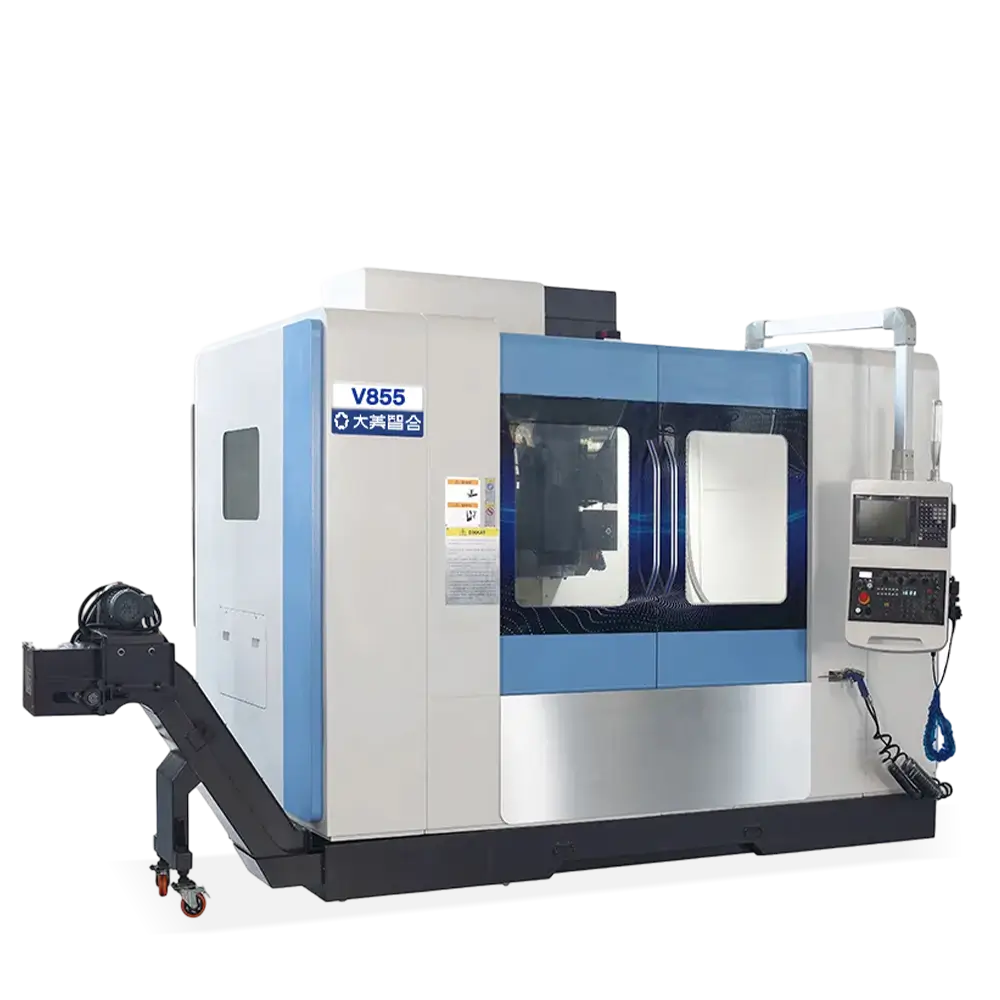
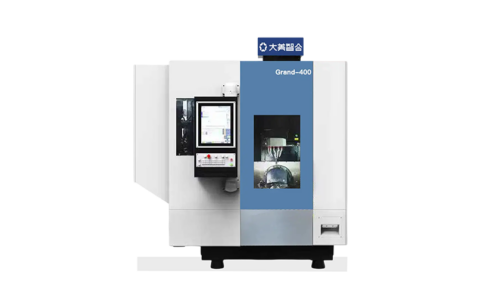
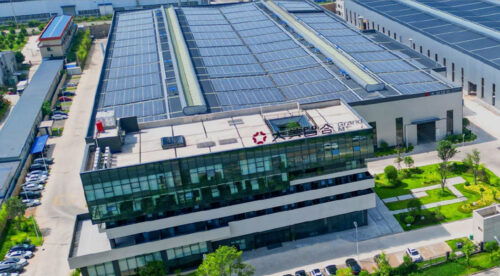
After learning about the key selection criteria, you may ask: With so many vertical machining center brands on the market, why choose Grand CNC?
Grand CNC boasts an experienced technical team that can precisely match the most suitable vertical machining center model to your specific machining drawings and process requirements. We don't just sell equipment—we provide end‑to‑end solutions from process planning and tooling configuration to production commissioning.
Our vertical machining centers cover a wide range of materials, including aluminum alloys, steel, stainless steel, copper, plastics, and even mold steels. Whether you machine 3C electronic housings, automotive components, precision molds, or aerospace structural parts, Grand CNC's vertical machining centers deliver stable and reliable machining solutions.
From first‑article inspection to batch production, we equip ourselves with laser interferometers, optical measuring instruments, surface roughness testers, and other comprehensive inspection devices to ensure every vertical machining center meets factory accuracy standards and every batch of machined parts complies with size and quality requirements.
From quotation inquiries, equipment selection, installation and commissioning, to operator training and after‑sales maintenance, Grand CNC provides end‑to‑end service support. Our rapid‑response after‑sales team and ample spare parts inventory minimize machine downtime and safeguard your production continuity.
A vertical machining center is a significant production investment. The core logic of selection can be summarized as: define performance baselines based on machining needs, screen alternatives using core parameters, and make the final decision based on lifecycle costs. Only by doing so can a vertical machining center truly become a productivity enhancer, not a burdensome asset.
If you are struggling with selecting a vertical machining center, please contact Grand CNC. We will offer professional selection advice and customized solutions based on your specific machining needs. Let the right vertical machining center become your most reliable partner on the production floor.
 Industry
 Products
 Products
 Products
 Products
 Industry

English

French

Portuguese

Spanish